Tata Nexon vs
Hyundai Venue
Choose between a safety-first all-rounder and a tech-forward cabin experience.
Most buyers decide here. Read this before anything else.
- You commute on potholed city roads and want a suspension tune that absorbs the worst without drama.
- You drive with family on long highway stretches and want a diesel manual that rewards a confident right foot.
- You run high monthly kilometres and want the security of a 5-star NCAP body around your passengers.
- You want CNG running costs without sacrificing meaningful performance, since the Nexon's turbo-CNG leads the segment.
- You are buying your first car and need a wide variant ladder so you can step in at Rs. 8 lakh and upgrade later.
- You live in a city where Tata's service network density genuinely matches your neighbourhood.
- You spend most of your day in the cabin and want the most polished interior experience under Rs. 15 lakh.
- You want a diesel but also want an automatic gearbox, since the Venue is the only car here offering that combination.
- You cover long motorway distances and want Level 2 ADAS taking some of the fatigue away on dual carriageways.
- You upgrade phones often and want wireless CarPlay that pairs in seconds rather than a wired workaround.
- You value a turbocharged petrol DCT for urban expressway use, where the 1.0 GDI stays brisk without feeling strained.
- You sit in the back seat frequently as a co-passenger and want slightly more headroom from the taller K1 platform.
The Nexon scores 7.9/10, the Venue 7.8/10. In real life, they are built for different people.
The Nexon diesel manual's 260 Nm hits hard past 80 kph and keeps the car feeling unstressed on a loaded four-up run. Arun Panwar noted the diesel's mid-range delivery makes overtaking feel effortless. The Venue diesel automatic is smoother but the torque converter adds a small delay that the Nexon's manual sidesteps entirely.
The Venue's 1.0 turbo DCT is tuned for urban use, pulling cleanly from low speeds without the AMT hesitation that still catches Nexon buyers off guard at junctions. Utkarsh Negi highlighted how the DCT's responses feel Creta-close in everyday traffic. Buyers stuck in Bengaluru or Delhi peak hours will notice the difference in composure quickly.
Biturbo Media and Namaste Car both noted the Nexon's suspension absorbs sharp urban craters with a compliance that feels a class above its price. The Venue on the new K1 platform is more settled than its predecessor but still transmits sharper impacts into the cabin at low speed. Families navigating uneven internal roads in residential areas will feel this distinction on day one.
Hyundai's consistent resale record in India means a well-maintained Venue holds value reliably in the used market. The Nexon has improved its residual story significantly since the pre-facelift era, but Hyundai's brand recall among used-car buyers still commands a modest premium at equivalent age and variant. Buyers planning to trade in within four years should factor this into the purchase price calculation.
Scores shown inline. "Best for" tells you who each result matters to.
| Axis | Tata Nexon | Hyundai Venue | Best for |
|---|---|---|---|
Design |
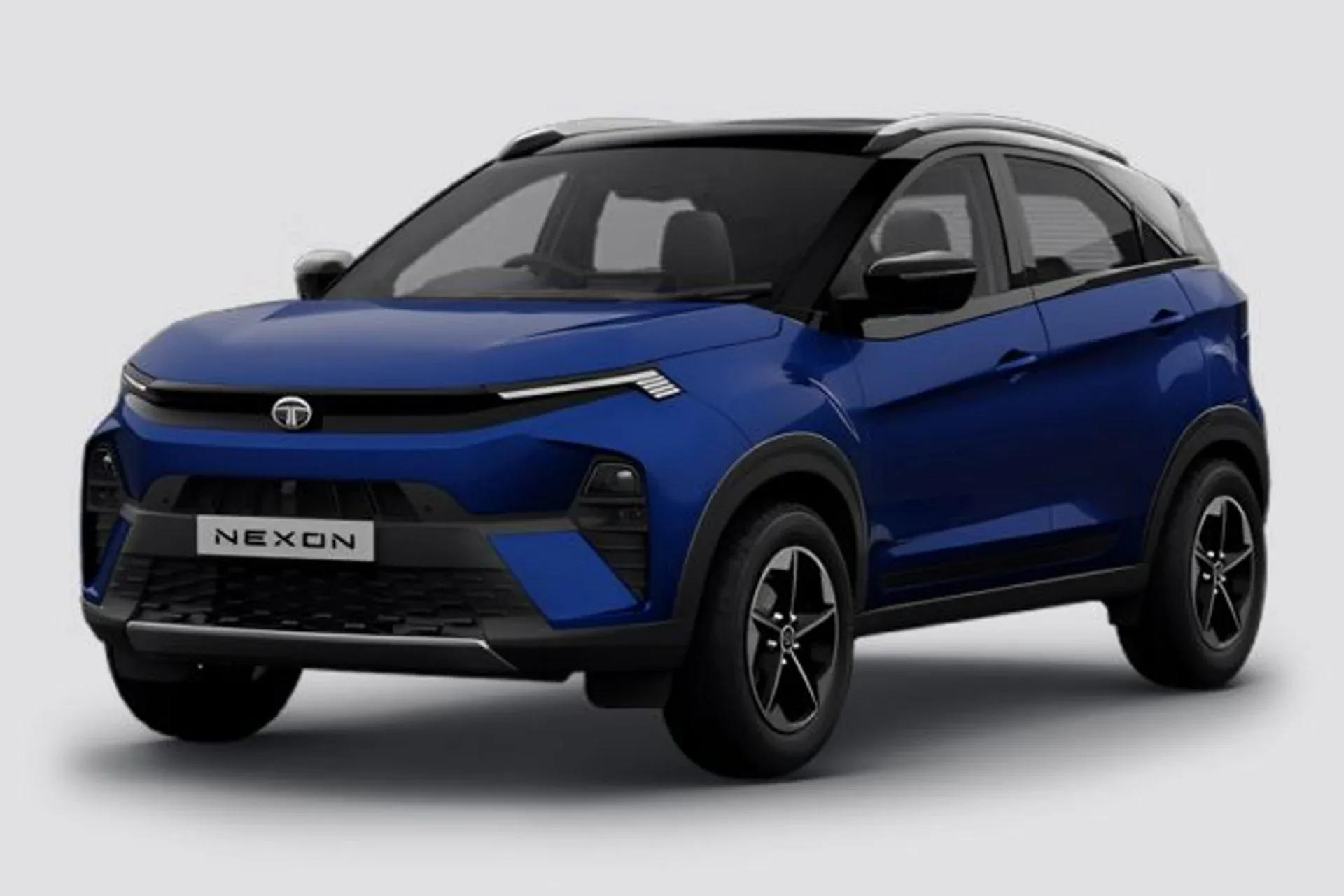
The facelifted Nexon is the more polarising of the two, with tri-arrow DRLs, a gloss-black grille and a Union Jack tail-lamp that split opinion sharply. Autocar India called the front-end makeover more butch but noted a mismatch between the squared front and rounded tail. On the road it has genuine physical presence, helped by the widest stance in segment. 8.0 / 10 |
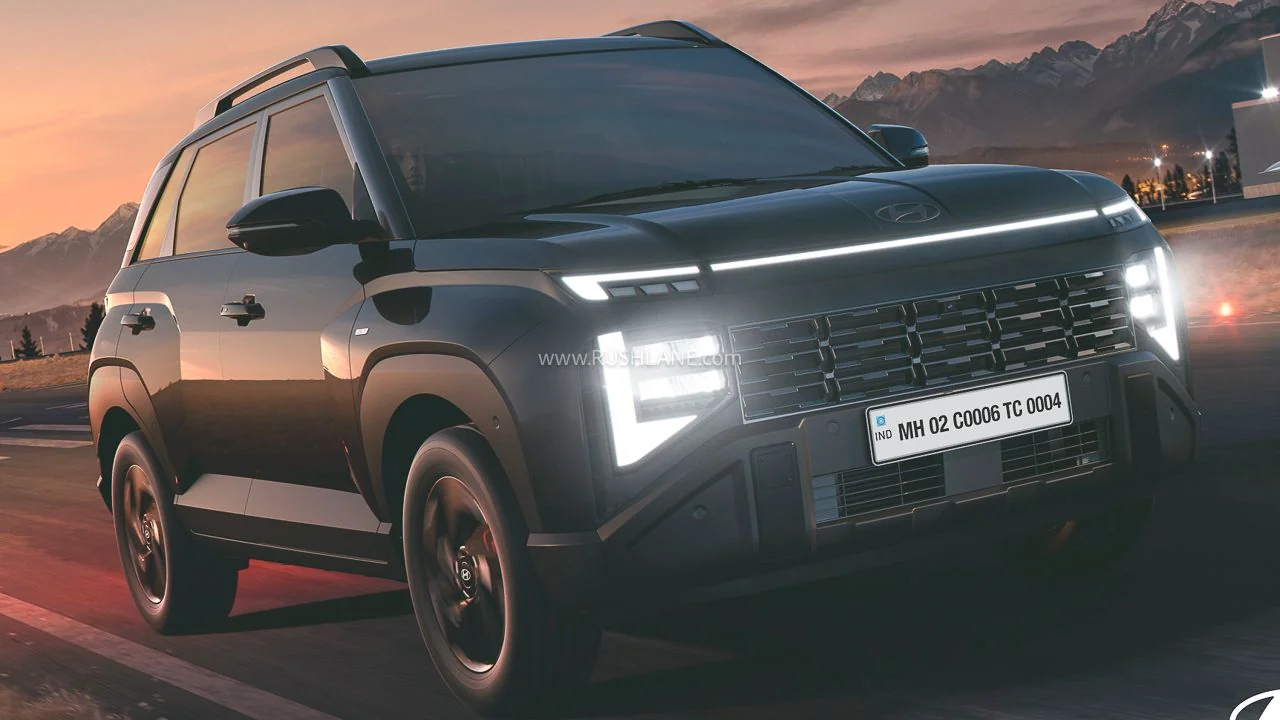
The second-generation Venue finally projects proper SUV confidence, with shorter overhangs and squared wheel arches that read more planted than the outgoing car. Arun Panwar noted it no longer looks like a raised hatchback. It is the more conservative choice, but conservative here means clean rather than bland. 7.8 / 10 |
Bold street presence buyersNexon's wider stance and stronger detailing cut through parking-lot anonymity
|
Interior |
Tata's three-tone dashboard with twin 10.25-inch screens, flat-bottom steering and panoramic sunroof is a strong package. Gagan Choudhary called interior quality genuinely competitive for the segment. The touch-based climate panel divides opinion, and ergonomics on the driver's left side still feel like a work in progress. 7.5 / 10 |
The dual 12.3-inch curved panoramic display is the Venue's headline act and it earns its attention. Hyundai sensibly retained physical climate shortcuts alongside the screens, keeping daily use intuitive. Utkarsh Negi highlighted how the graphics feel sharper and faster than any rival at this price, credit to Nvidia processing. 8.0 / 10 |
Tech-first daily driversVenue's screen quality and physical button layout make every drive feel more considered
|
Performance |
Three powertrains cover every use case: the turbo-petrol DCA is smooth in the city, the diesel manual rewards enthusiastic driving, and the turbocharged CNG is the most powerful factory CNG in India at roughly 100 PS. MotorBeam noted the diesel's low-end response is strong once emissions systems warm up. 7.5 / 10 |
The 1.0 GDI DCT combination is the sharpest-feeling drivetrain in this comparison for urban and suburban use. The diesel automatic adds a rare, genuinely practical choice that the Nexon cannot match at any price. Arun Panwar praised the DCT's response times as segment-leading. 8.0 / 10 |
Enthusiast daily commutersVenue's DCT options feel more polished and quicker to respond in real use
|
Ride Quality |
The Nexon's suspension tune is one of its most consistent strengths across model years. Biturbo Media and Namaste Car both confirmed the 2025 facelift retains that same compliant character over broken tarmac. At highway speeds it stays settled without excessive float. 8.0 / 10 |
The new K1 platform improves the Venue's ride significantly over its predecessor, but sharp urban inputs still find their way into the cabin more readily than the Nexon. At motorway speeds the Venue is composed. Utkarsh Negi noted the improvement is real, just not yet at the Nexon's level for rough surfaces. 7.5 / 10 |
Bad-road daily commutersNexon's compliance on broken surfaces is the most reliable in segment
|
Build Quality |
The 5-star Global NCAP rating is the Nexon's most unambiguous credential. Faisal Khan noted the body feels genuinely rigid and the doors shut with a solid thunk. Panel gaps are tight and consistent across the range. 7.5 / 10 |
The new K1 platform delivers a more solid-feeling structure than the outgoing Venue, and Hyundai's assembly quality is predictably tight. NCAP testing for the 2025 generation is pending, so buyers cannot yet compare crash scores directly. 7.5 / 10 |
Safety-priority familiesNexon's proven 5-star NCAP result provides the clearer safety assurance today
|
Value for Money |
A 36-variant lineup starting under Rs. 8 lakh means the Nexon covers more buyer profiles than almost any competitor. The diesel and CNG options add real long-term running cost advantages. MotorBeam rates it among the most complete sub-4-metre packages per rupee spent. 7.5 / 10 |
The Venue's top trims with ADAS and dual screens push toward Rs. 15 lakh, where the value equation becomes harder to defend against larger SUVs. The base and mid-spec variants are competitive. Arun Panwar observed that the feature-per-rupee maths only works clearly in the middle of the range. 7.0 / 10 |
Budget-stretched first buyersNexon's entry pricing and variant spread offer more room to calibrate spend
|
Practicality |
The Nexon's wider body and slightly longer wheelbase translate to a rear seat that Autocar India called a key point of distinction. Boot space is competitive at 350 litres and the tall roofline keeps headroom generous. The panoramic sunroof on top trims gives the cabin an airy quality. |
The K1 platform adds 46 mm of height to the new Venue, and the improvement in rear headroom is noticeable for taller passengers. Boot space is similar to the Nexon, and the cabin layout is more logically organised for daily storage. Utkarsh Negi pointed out the rear seat is now genuinely comfortable for adult passengers on medium-length trips. |
Mixed urban and highway familiesNexon's width advantage edges daily passenger room in a direct comparison
|
The Nexon scores 7.9/10 and the Venue 7.8/10, from 9 independent creators. The overall number is only part of the story here: the dimension breakdown is where the real comparison lives.
Autocar India: 2020 Tata Nexon vs Hyundai Venue - The battle of the 120hp petrol SUVs | Comparison | Autocar India