Haryana's EV Charger Mandate Is the Right Lever Pulled at the Right Time
Haryana has amended its 2017 building code to make EV charging infrastructure compulsory in new and renovated residential and commercial projects. Group housing societies and RWA-managed complexes must install at least one charger per five parking slots, while malls, hotels and offices with parking for ten or more cars need one per three slots.
What was announced
The Haryana Town and Country Planning Department issued the amendment on June 9, 2026, modifying the state's 2017 building code to mandate EV charging infrastructure across new and renovated residential and commercial projects. The rule covers group housing societies, cooperative housing projects and residential complexes managed by resident welfare associations, all of which must now provide at least one charging point for every five parking slots and remain fully EV-ready with charging conduits laid across the property.
Codifying EV-readiness at the building-plan stage kills the RWA veto that has quietly destroyed more EV deals in Gurgaon than range anxiety ever did.
For commercial and non-residential buildings such as malls, hotels and office spaces, the threshold kicks in at projects with parking for ten or more cars. These developments must install at least one EV charging point per three parking slots and be 100 percent EV-ready, with conduits run for future expansion. Chargers are permitted in basement and stilt parking areas, subject to electrical and fire safety norms. Projects must secure a No Objection Certificate from the Fire Department before occupancy.
Crucially, the amended code also covers existing housing complexes, not just greenfield projects, meaning older societies will need to retrofit infrastructure to comply. The amendment was first proposed by the state government a little over a month before the final notification. Haryana now joins Delhi, Maharashtra and Karnataka in writing EV-readiness directly into its building code, but its inclusion of existing societies makes it among the stricter implementations in the country.
The Car Jury verdict
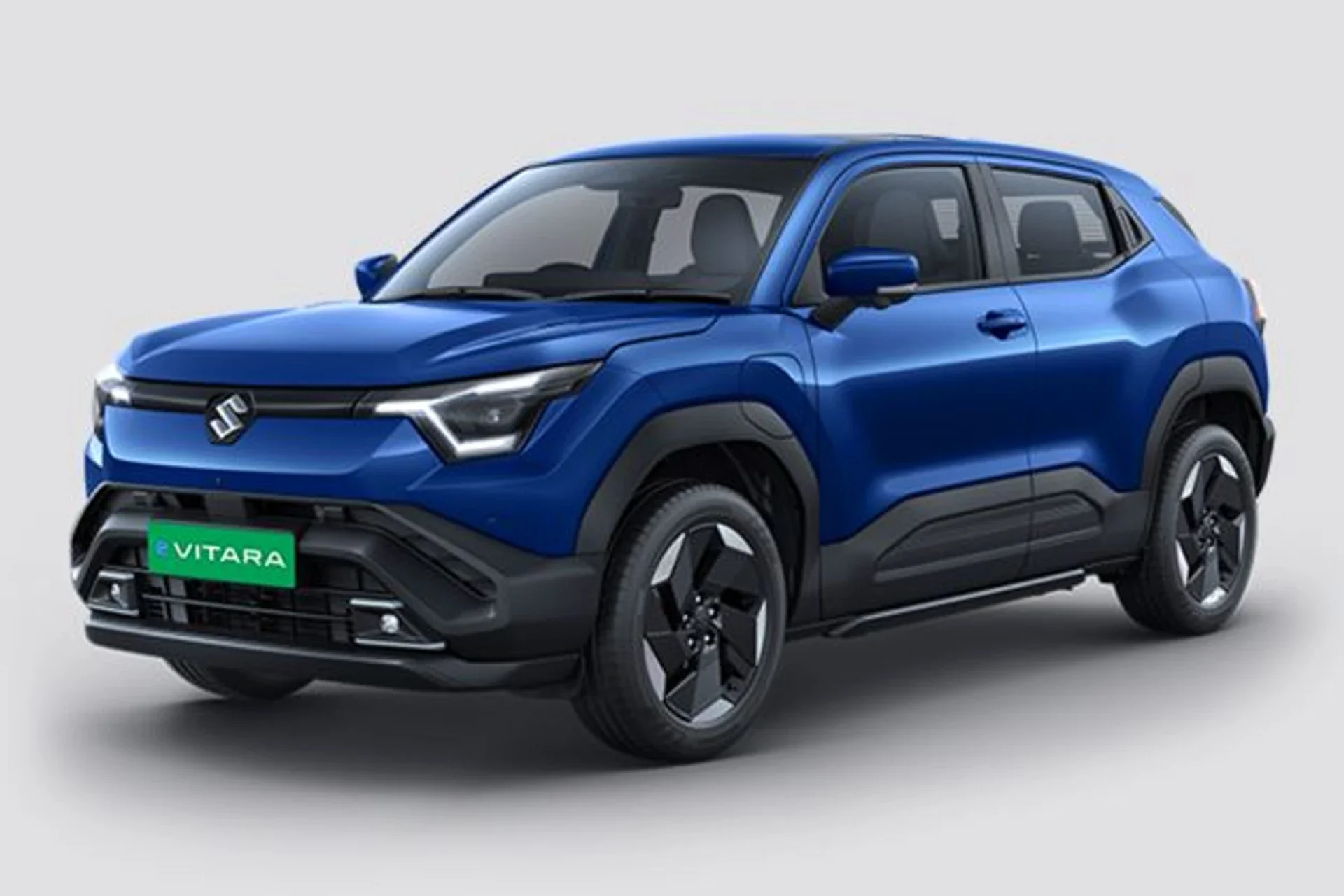
This is the single biggest unlock for mainstream EV adoption in north India, and it targets the exact bottleneck buyers keep flagging: the apartment parking slot. Showroom interest in the Tata Nexon EV, MG Windsor and the upcoming Maruti e-Vitara has been strong, but RWA politics around installing a 7kW point have killed more deals than range anxiety ever did. Codifying readiness at the building-plan stage removes that fight.
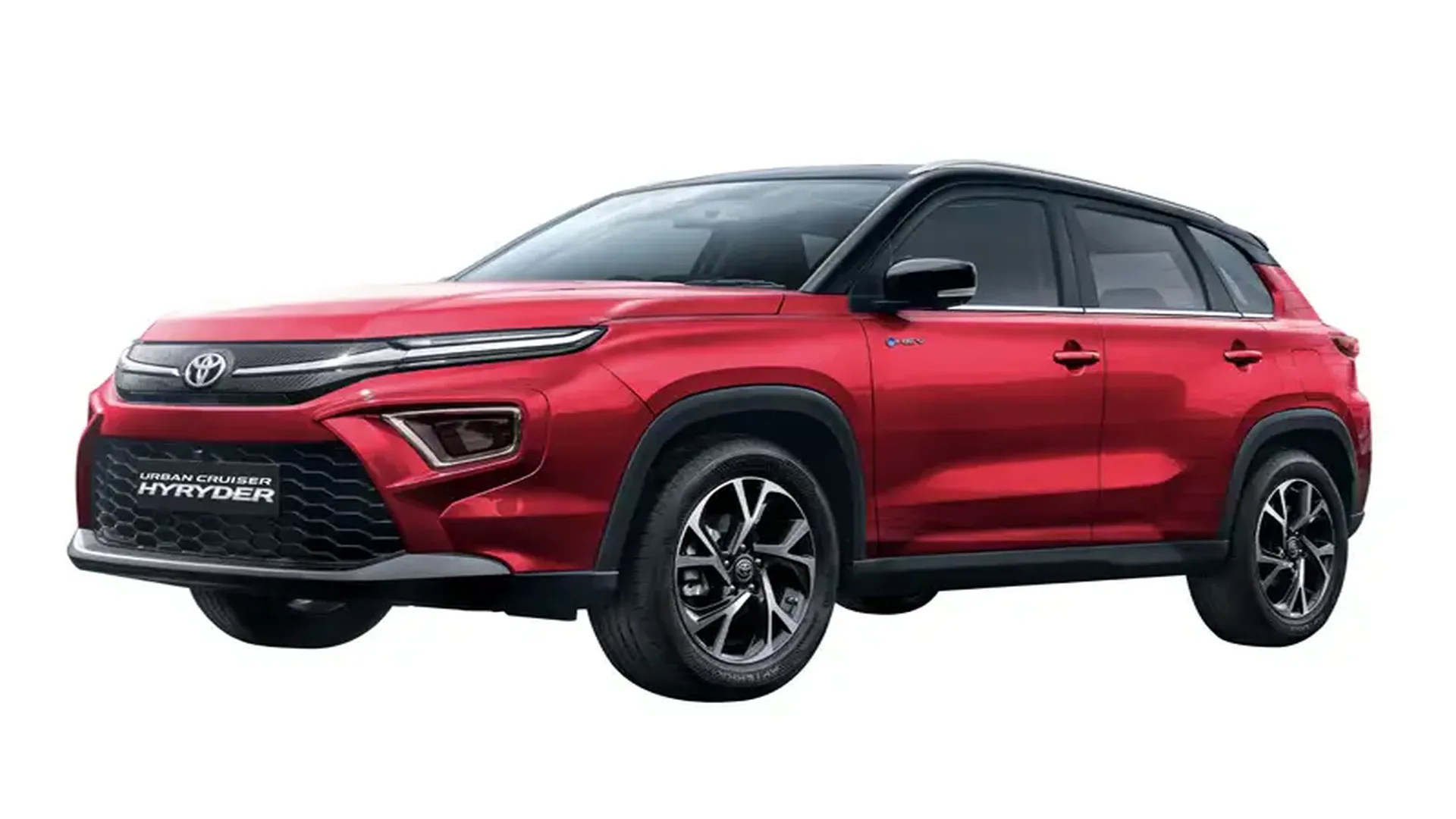
It also reshapes the hybrid-versus-EV calculus that creators have been wrestling with. Biturbo Media argues Toyota's hybrid tech will run trouble-free for a decade, and that is fair for buyers in charger-starved states. But in Haryana, the home-charging excuse for picking an Urban Cruiser Hyryder strong hybrid over a Nexon EV just got weaker. Gurgaon and Faridabad buyers should now plan for an EV as the second car, not the someday car.