India's EV Exports Jump 14x in a Quarter: Maruti's e-Vitara Leads the Charge Abroad
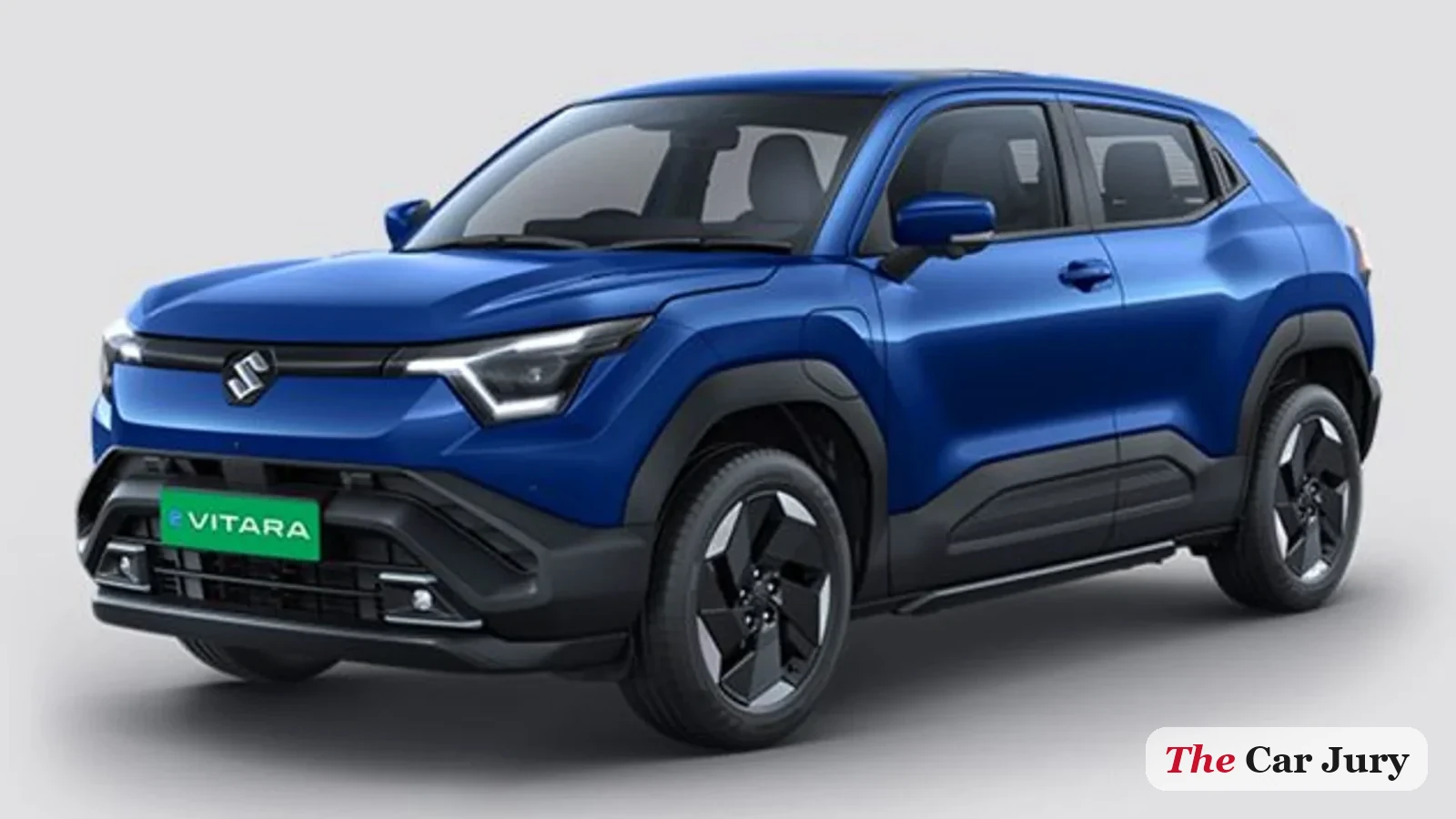
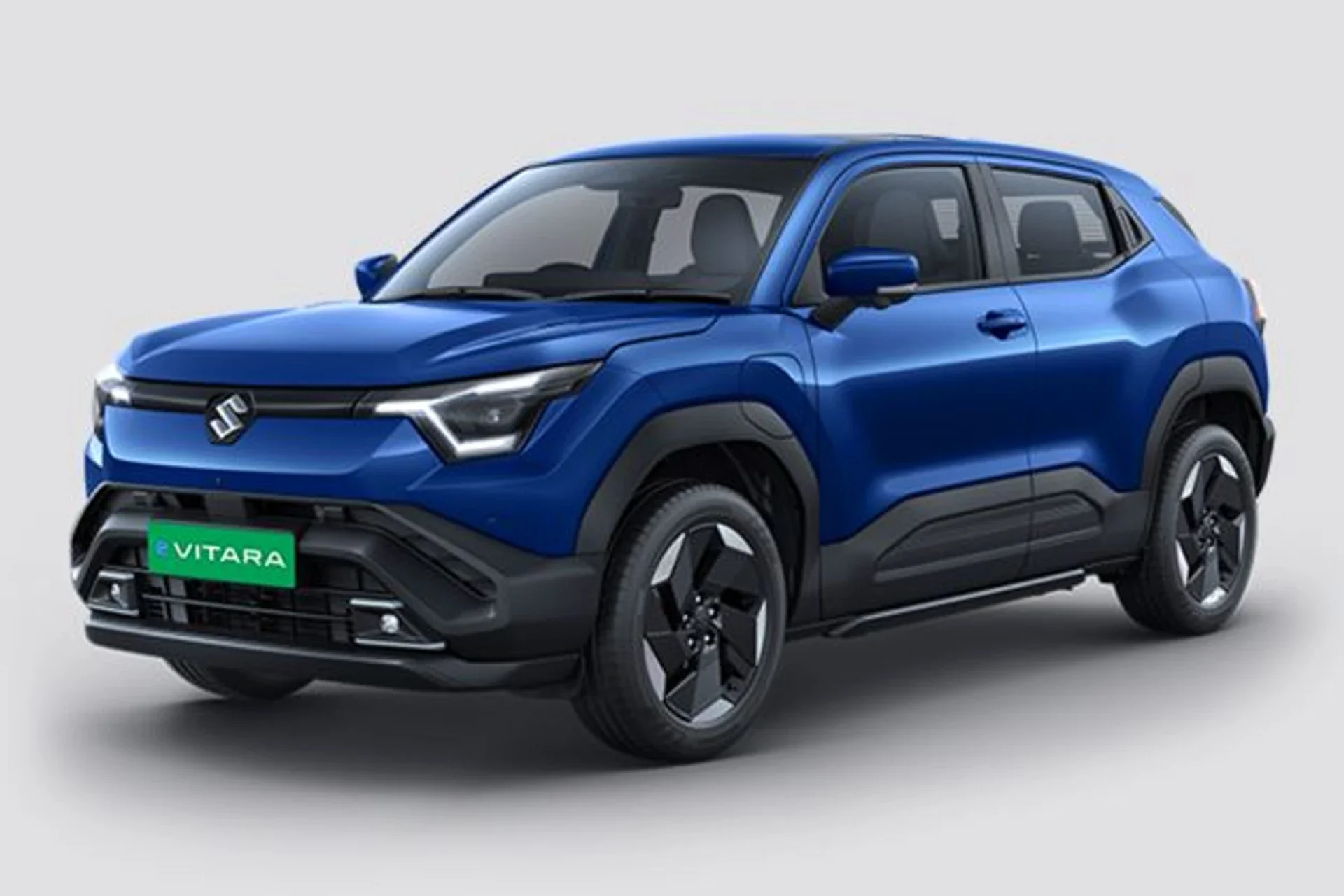
India's electric car exports rose fourteen-fold in the June 2026 quarter to 15,641 units, from just 1,122 a year earlier, according to industry data cited by ETAuto. Maruti Suzuki's e-Vitara led the charge, becoming India's third-most exported car, with Tata Motors and Mahindra also stepping up overseas shipments.
What was announced
ETAuto reported on 27 July 2026 that India-made electric car exports surged to 15,641 units in the April-June 2026 quarter, from 1,122 units in the same period a year earlier. That single quarter accounted for more than half of the 28,652 EVs India exported across all of FY26, signalling a step-change rather than a seasonal blip. The report attributes part of the demand to elevated global fuel prices following the US-Iran conflict, which has nudged overseas consumers towards cheaper electric transport.
Export-spec Indian EVs get six airbags and stiffer structures as standard. Indian-spec cars often don't. That gap is the real story here.
Maruti Suzuki's e-Vitara, built at the Suzuki Motor Gujarat plant, is the headline act. It emerged as India's third-most exported car in the June quarter, shipped primarily to European and Japanese markets under Suzuki's global badge. Tata Motors and Mahindra are the other two names driving volume, with Tata exporting variants of its Nexon EV and Punch EV, and Mahindra shipping its BE and XEV platform cars to select markets.
The export push aligns with Tata Motors Passenger Vehicles' recently announced plan to invest up to Rs 40,000 crore over the next five years, taking annual capacity to 1.3 million vehicles by FY31, from around 900,000 units currently. Mahindra has similarly earmarked capacity at its Chakan facility for export-spec BE 6 and XEV 9e units. Government FAME-adjacent incentives and the PLI scheme for advanced chemistry cells are the fiscal backdrop enabling scale.
The Car Jury verdict
The export line is up and to the right, but Indian buyers should read this story carefully before cheering. The e-Vitara is being built at Suzuki's Gujarat plant primarily for Europe and Japan, and India gets what's left after those markets are fed. That is the same pattern Hyundai and Kia have run for years, and it rarely favours the home buyer on price or waiting period.
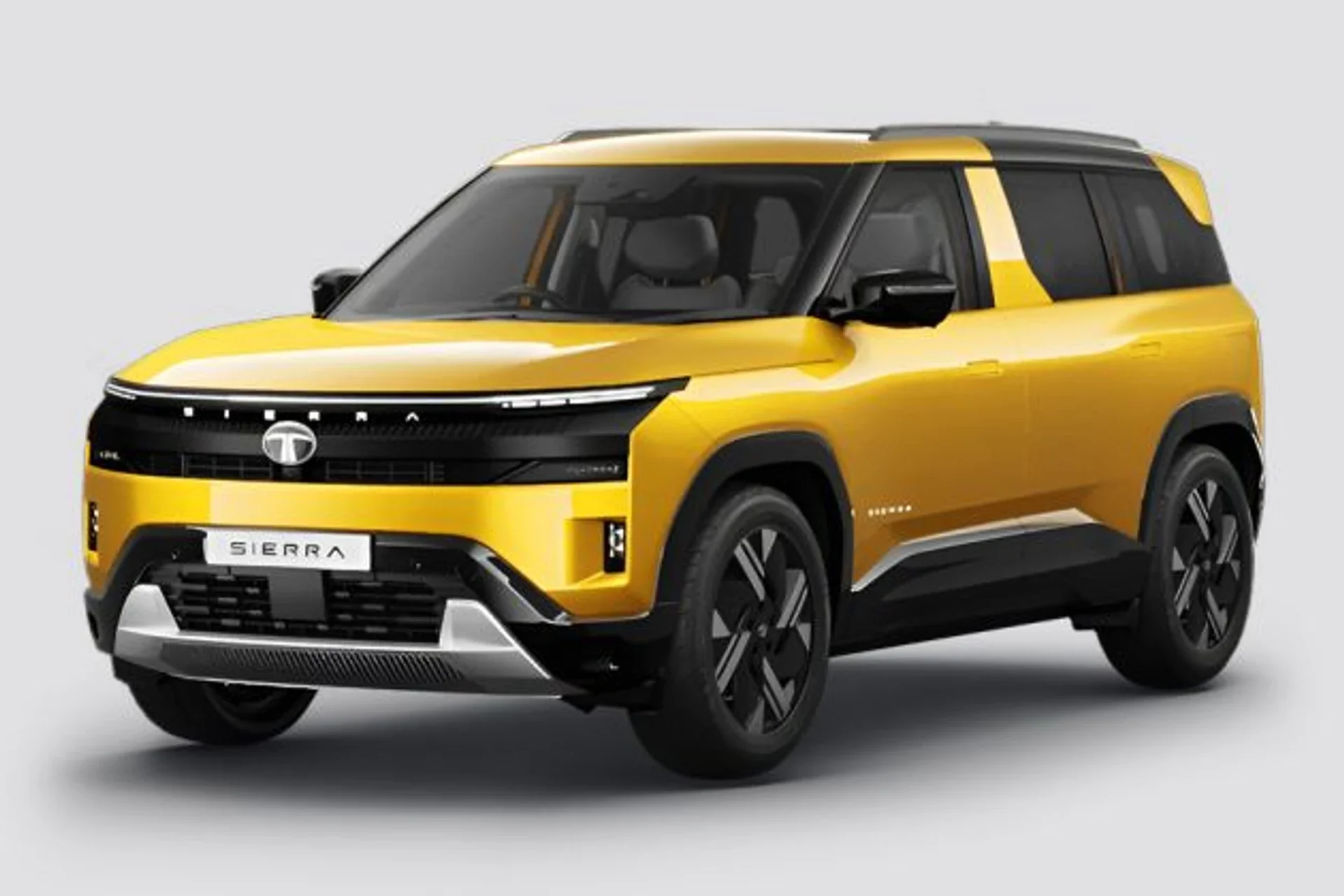
Biturbo Media's warning that "the body strength of Maruti's small cars is still a major concern" is worth remembering: export-spec cars usually carry six airbags, ESC and stiffer structures as standard because those markets demand it. Indian trims often don't. Our e-Vitara verdict remains WAIT until Maruti prices the Indian car honestly against the Tata Sierra EV, which we rate BUY.