Volkswagen's India Pipeline Is Thin and Late, and the Virtus Facelift Won't Fix That
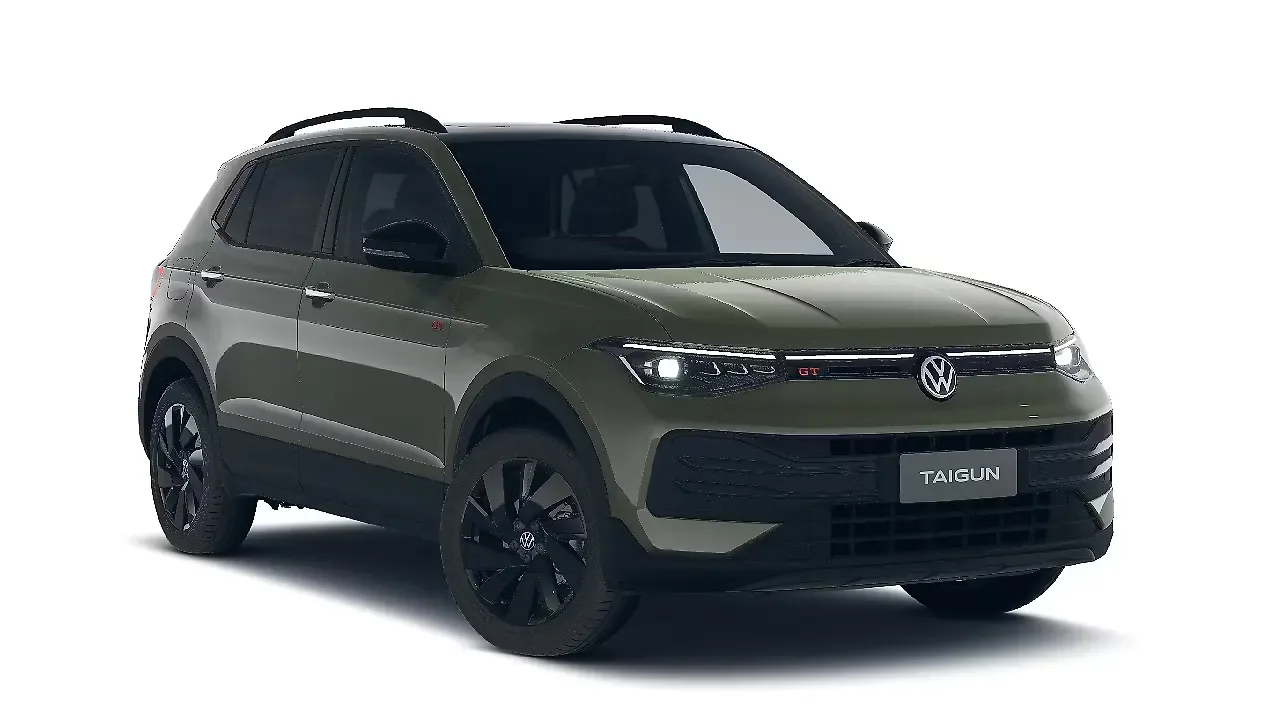
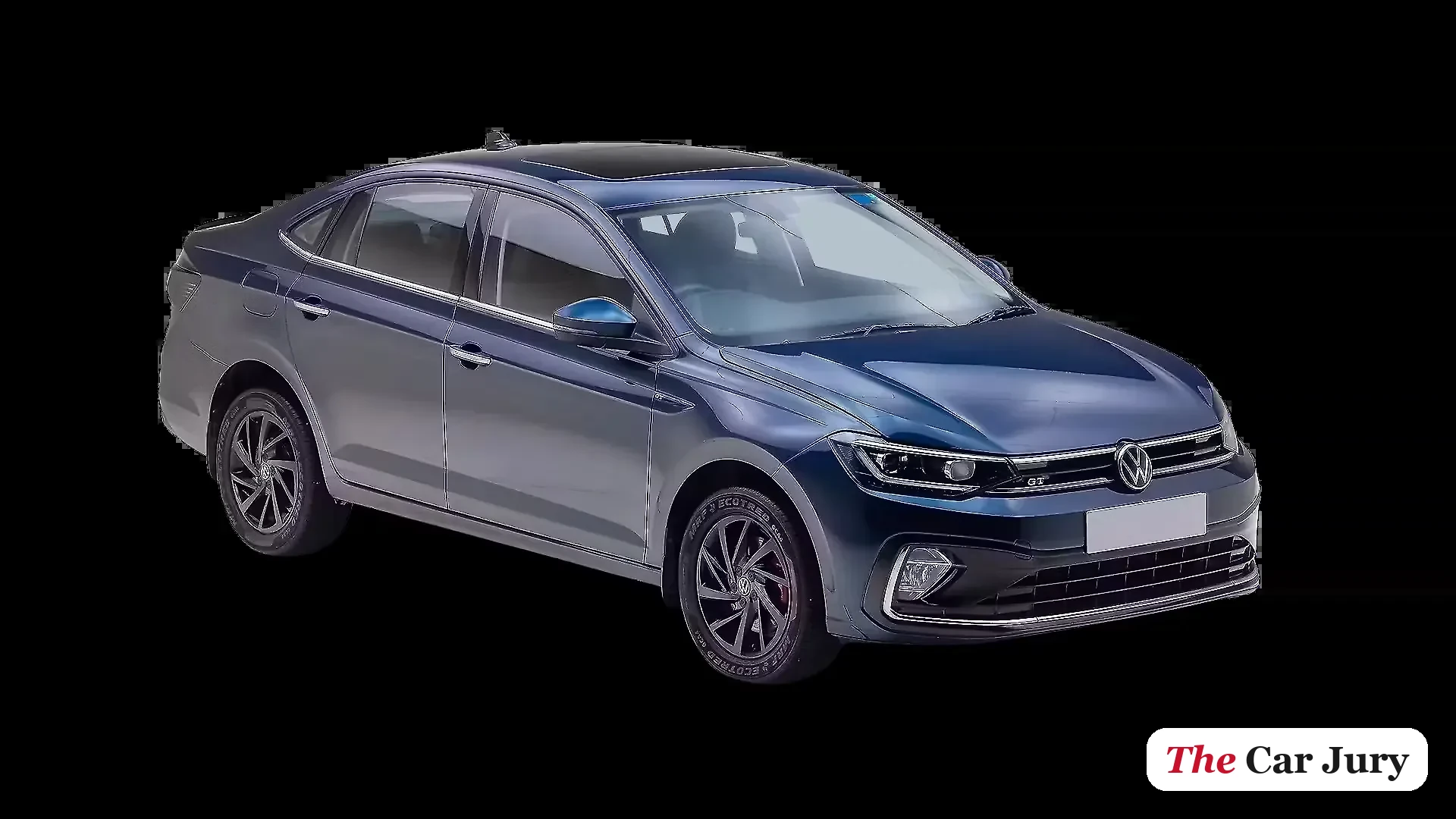
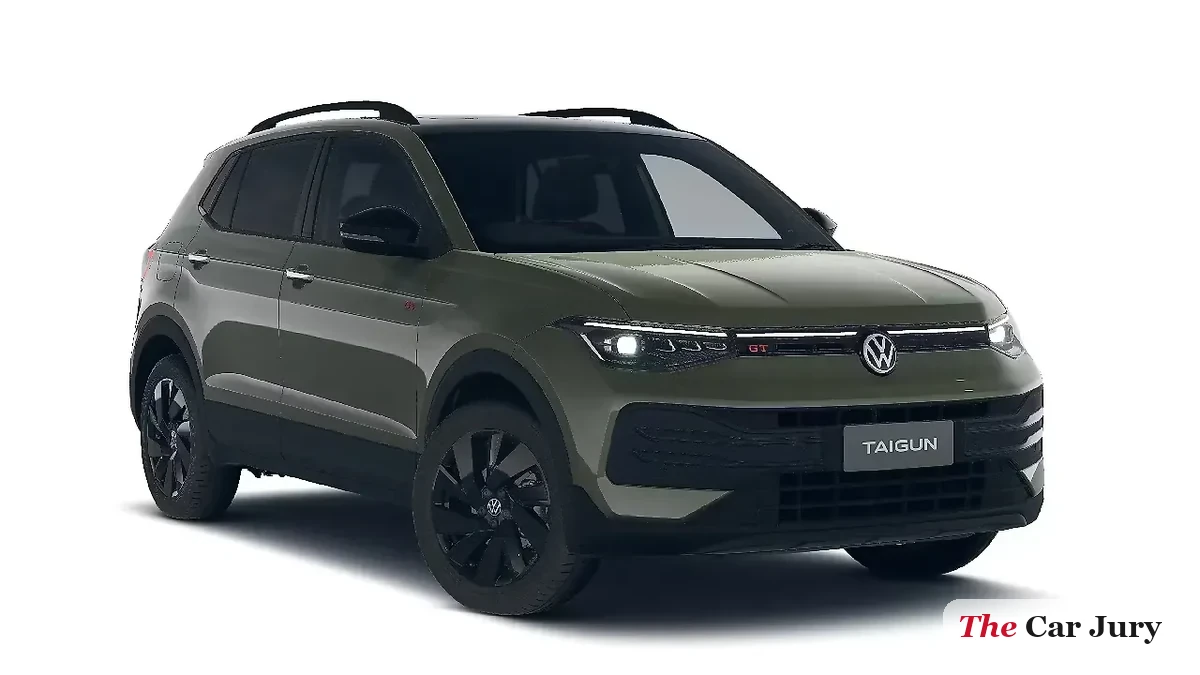
Volkswagen has confirmed four launches for India, starting with the Virtus facelift in the third quarter of CY2026. On paper it sounds like momentum after the Taigun refresh. In practice, it is a thin, conservative roadmap that leans on two ageing nameplates while Hyundai, Honda and Skoda's own Kushaq sibling keep moving. The Virtus is still a strong product, but Volkswagen India needs more than a bumper redesign.
The Car Jury verdict
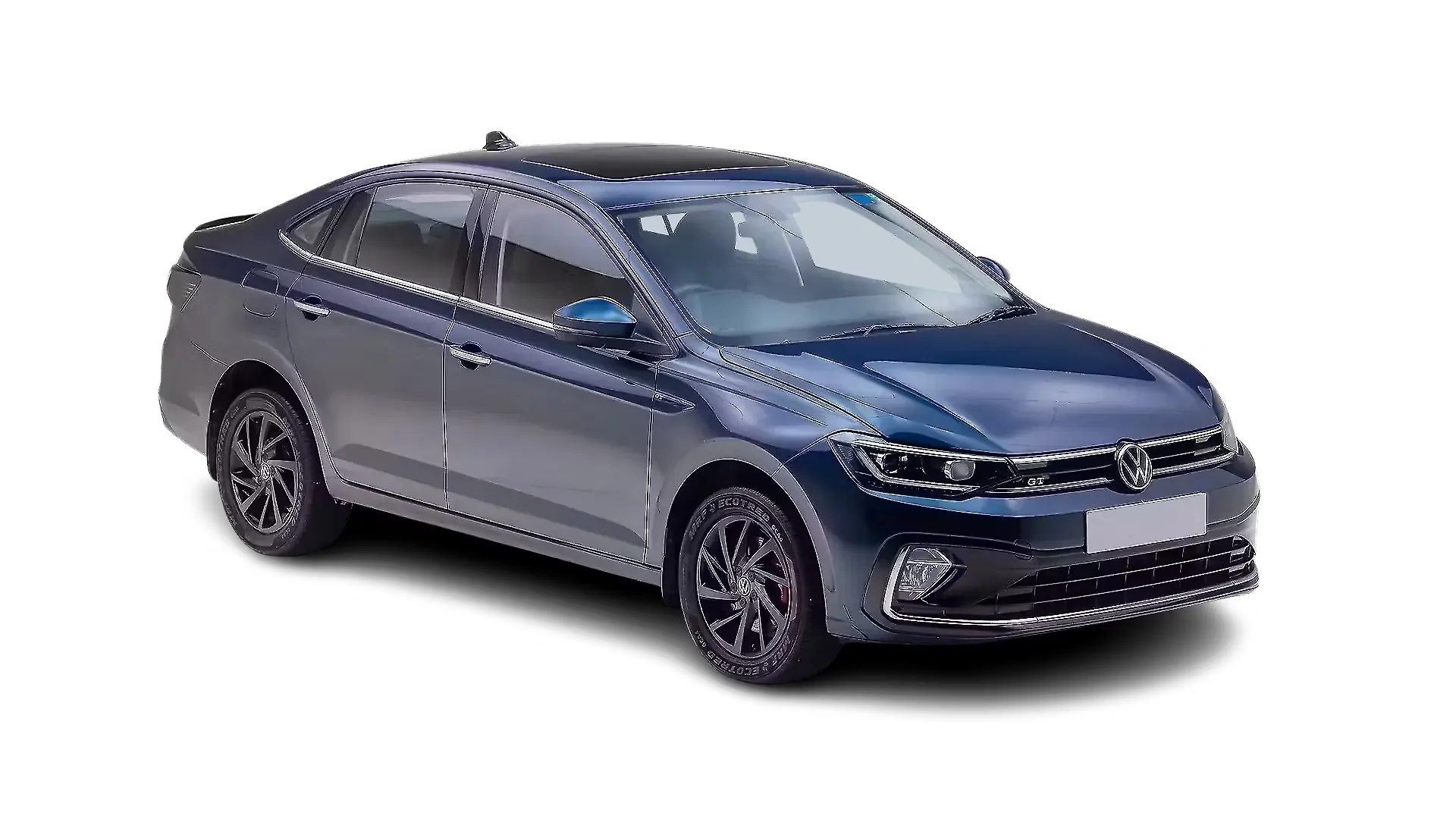
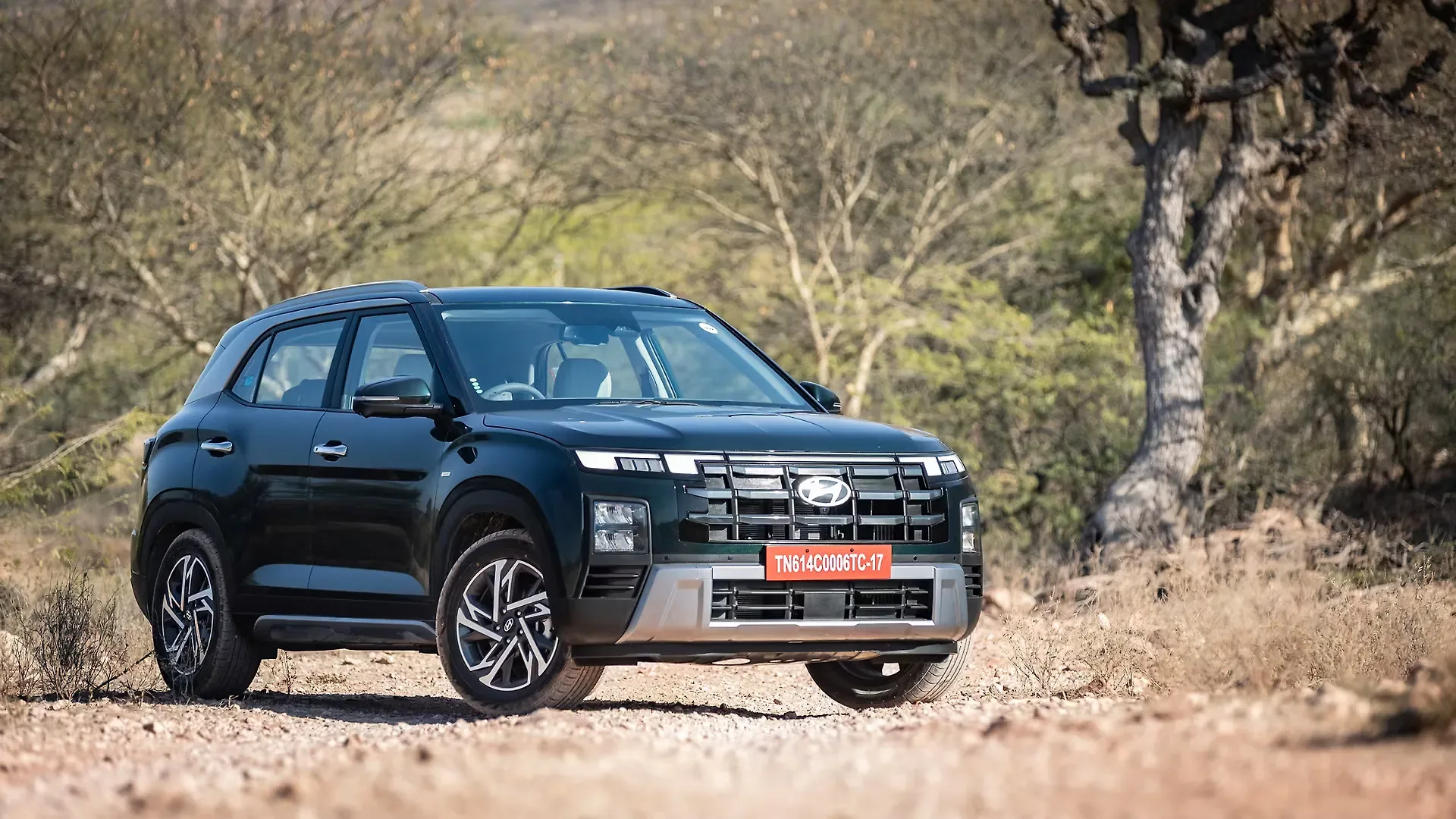
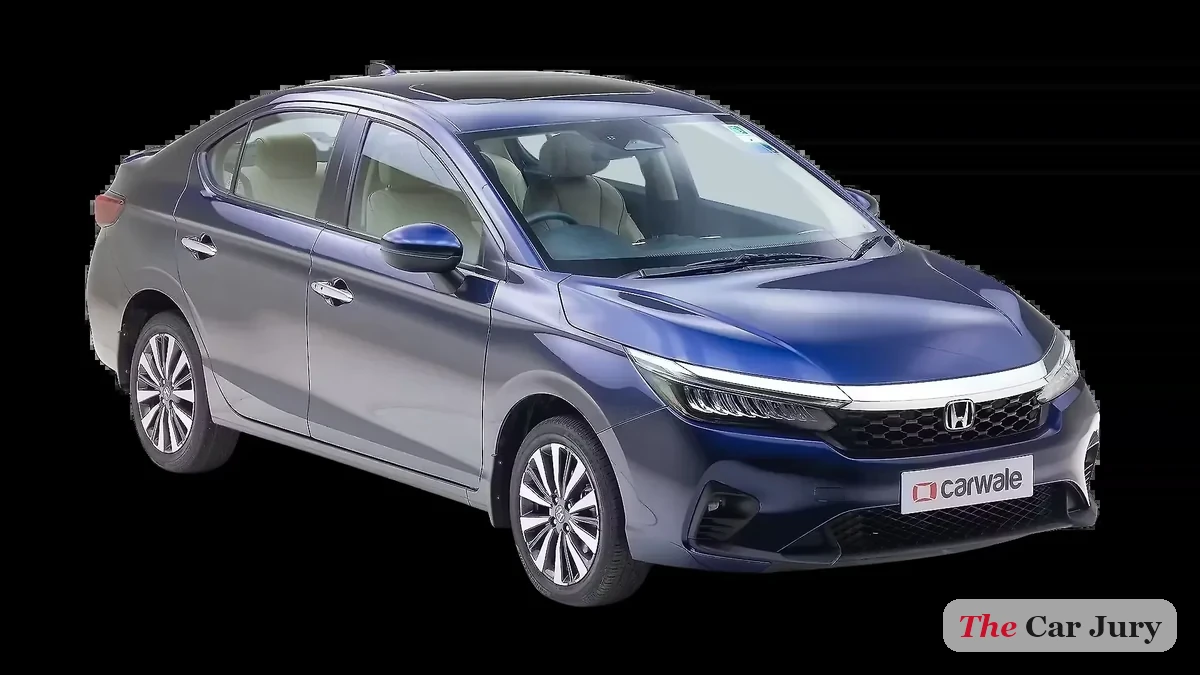
The Virtus facelift is the only launch in this list that genuinely matters in 2026, and even that is a holding action. The current Virtus remains a TCJ BUY for buyers who value driving feel over rear-seat theatre, and a mild front-end refresh will keep it competitive against the Honda City and Hyundai Verna. But it will not expand the segment for VW, because the segment itself is shrinking as buyers walk into Creta showrooms instead.
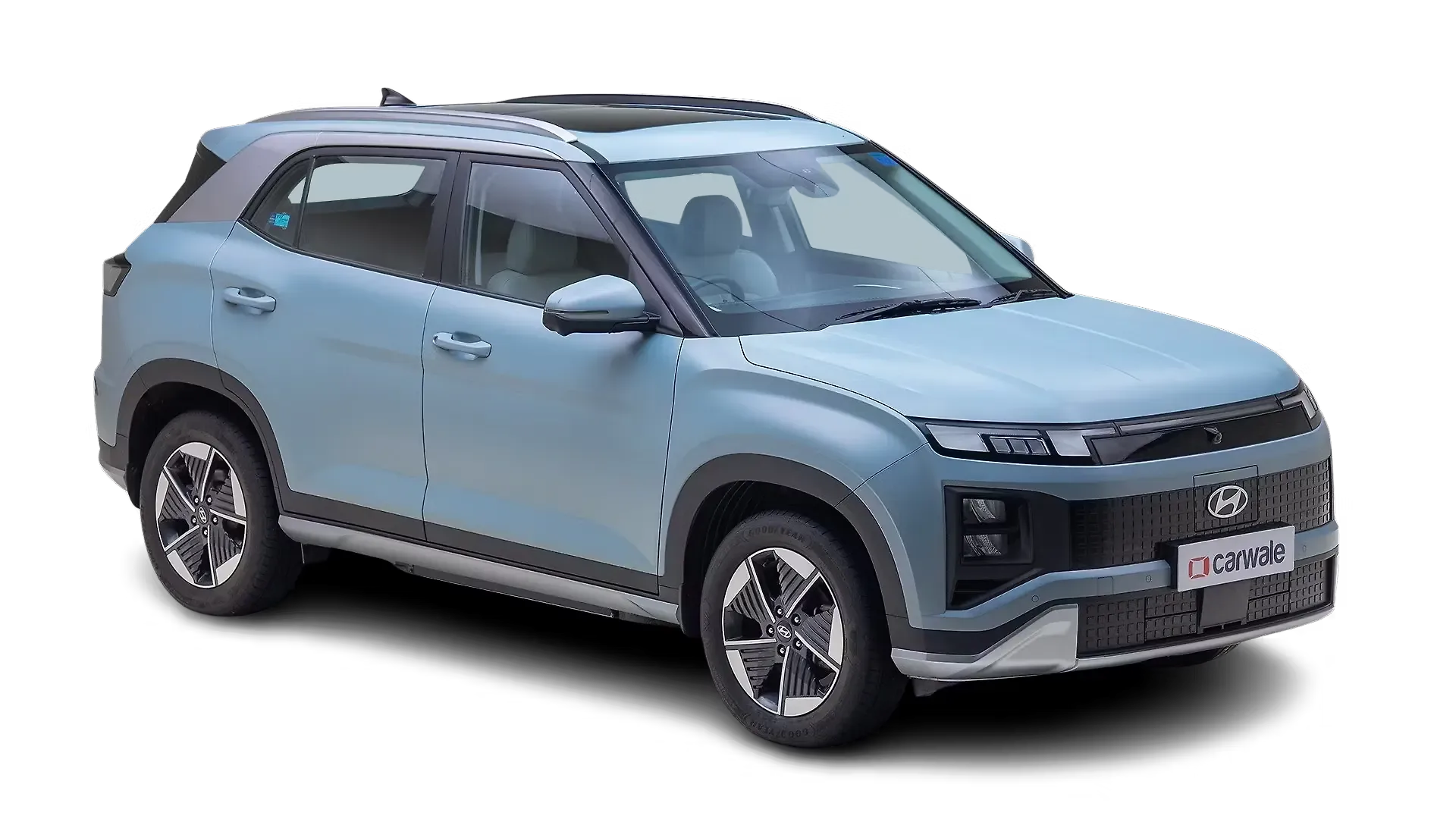
The bigger problem is what is missing. There is no credible EV answer here while Hyundai already has the Creta Electric on sale, and no seven-seater to plug the gap above the Taigun. Faisal Khan of FasBeam captures the mood when he says "it's the time to launch it again," but relaunching familiar nameplates is exactly the trap. Gagan Choudhary's observation that rivals no longer have "the heavy steering feel you get in something like a Volkswagen Polo" is the real warning: VW's old USPs have been copied, and a facelift cycle alone will not rebuild the brand's pull in India.
What was announced
Volkswagen India has confirmed four upcoming launches following the Taigun facelift that went on sale earlier this month. First in line is the Virtus facelift, scheduled for the third quarter of CY2026. Test mules have been spotted on Indian roads with camouflage concentrated on the front bumper and grille. The silhouette, doors and glasshouse carry over from the current car launched in 2022. Powertrains are expected to continue with the 1.0 TSI and 1.5 TSI EVO petrol units, paired with manual, torque converter and DSG options.
The remaining three launches have not been officially dated by Volkswagen, but the brand has indicated a staggered rollout through 2026 and into 2027. The lineup is understood to include a refreshed Tiguan for the CBU luxury slot, continued positioning of the Taigun and Virtus as the volume pillars under the India 2.0 project, and evaluation of new bodystyles for the MQB-A0-IN platform shared with Skoda. Pricing for the Virtus facelift is expected to start near Rs 11.50 lakh ex-showroom, with the topline GT Line crossing Rs 20 lakh ex-showroom.
Volkswagen has not yet confirmed a mass-market electric vehicle for India in this window. The ID.4 and ID.7 remain under evaluation as CBU products. Manufacturing continues at the Chakan plant in Pune, which Volkswagen operates jointly with Skoda Auto Volkswagen India Private Limited.