 Image: Kia press kit
The Carens delivers genuine three-row usability, feature-rich cabin and multiple engine choices at MPV pricing, making it the most car-like people-mover under Rs 20 lakh.
The Kia Carens is a six or seven-seat MPV built on the Seltos platform, offering crossover styling, a feature-loaded cabin and a genuinely usable third row. With petrol, turbo-petrol and diesel engines plus manual, iMT and automatic options, it undercuts the traditional MPV playbook while adding SUV flavour. This review covers the original pre-facelift Carens; for the 2025 update see our Kia Carens Clavis review.
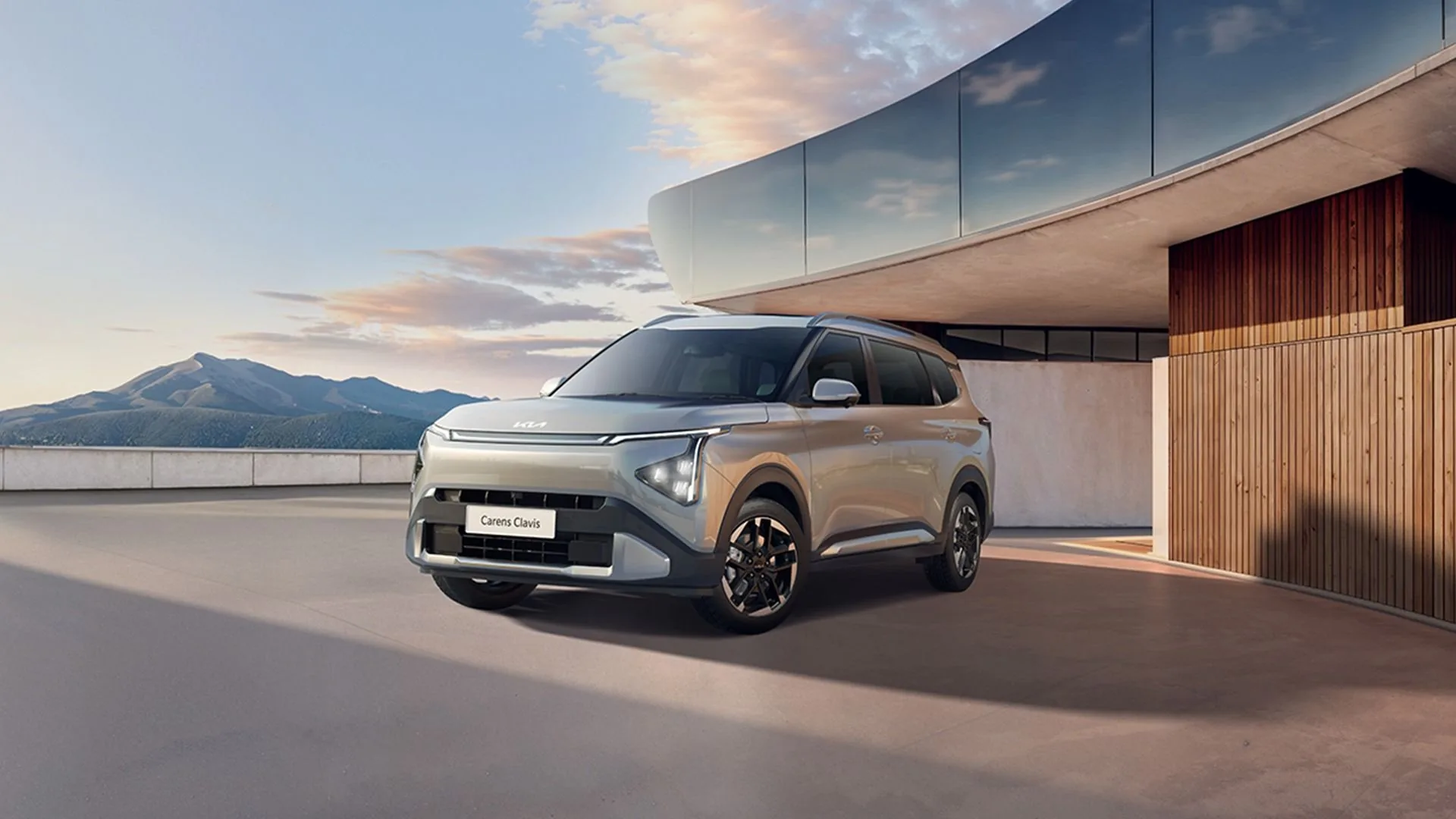
Styling walks the line between MPV and crossover, and Kia leans hard on the SUV cues. The tiger-nose grille, LED DRLs, crown-jewel headlamps and 16-inch crystal-cut alloys give it more road presence than the Ertiga or XL6. Front parking sensors are essential because the nose is hard to judge, and the 205-section tyres look slightly under-tyred for the body. At 4.5 metres long with a 2,780 mm wheelbase, it is compact enough for city use but appears larger from the three-quarter angle than head-on. AutoYogi notes the Carens is positioned deliberately between traditional MPVs and premium SUVs, and the design brief reflects that ambiguity. Rear styling with the connected LED bar is clean, if less distinctive than the face.
The cabin is where the Carens earns its money. Dual-tone beige and black with blue accents, a 10.25-inch touchscreen, fully digital instrument cluster, Bose 8-speaker system, ventilated front seats, wireless charger and a roof-mounted air purifier make the equipment list feel a segment above. Second-row captain seats (or bench) slide and recline, and the one-touch tumble mechanism for third-row access is genuinely slick. Third-row occupants get AC vents, USB-C ports and their own retractable sunshade. Plastic quality is good on touch points but average on lower panels. The touchscreen UI is fluid though menu-heavy, and the steering-mounted controls take familiarisation. Storage is thoughtful: sliding under-seat tray, multiple bottle holders, and dedicated phone slots front and rear.
Fit and finish inside is above the Ertiga and roughly on par with the Hyundai Alcazar. Panel gaps are consistent, doors shut with a solid thunk, and the switchgear feels durable. The touch-sensitive climate panel looks modern but demands eyes-off-road learning. Six airbags are standard across variants, ESC, hill-hold, TPMS, all-disc brakes and a reverse camera are included, and the top trim adds a 360-degree feed and blind-spot monitor in the instrument cluster. Structural safety became a talking point after independent crash observations, and Kia has since made running changes. Kia offers a 3-year/unlimited-km warranty extendable to 7 years, which is competitive. Service costs are pegged near Rs 0.35 per kilometre.
Three engines are on offer: 1.5 NA petrol (115 PS), 1.5 turbo-petrol (now 160 PS, 253 Nm, replacing the older 1.4) and 1.5 diesel (115 PS, 250 Nm). The diesel is the sweet spot for family use: quiet at idle, tractable from low revs, and the six-speed torque converter smooths out the delivery, though it can feel strained fully loaded. The 1.5 turbo-petrol with the new iMT or 7-speed DCT offers the best power-to-weight in the segment. V3Cars recorded 10.85 kmpl in city and 13.93 kmpl on highway with the turbo-petrol iMT; the diesel returns 15-18 kmpl in mixed use. The NA petrol is the budget pick but feels underpowered with six on board.
Suspension is set up softer than the Seltos to prioritise comfort, and on smooth roads or highways the Carens rides flat and composed. Broken urban patches expose a firmer edge, and sharp expansion joints do register in the cabin. Handling is where the MPV brief shows: the steering is light in the city but does not weight up meaningfully at speed, and there is noticeable body roll when pushed. It is not a corner-carver, but it tracks straight and stable at 120 km/h. Braking is the weakest dynamic link, with a spongy pedal and delayed bite that requires anticipation, especially with a full load. NVH is well controlled at cruise, though the diesel gets vocal past 3,000 rpm.
Pricing runs roughly Rs 10-20 lakh ex-showroom depending on engine and trim. The NA petrol manual is the volume opener, the diesel manual is the enthusiast-family pick, and the turbo-petrol iMT Prestige Plus is the V3Cars-recommended sweet spot at around Rs 15 lakh. Against the Ertiga, the Carens costs more but offers materially more equipment, a nicer cabin and stronger engines. Against the Innova Hycross, it undercuts by several lakh while giving up hybrid efficiency and rear-wheel-drive robustness. The Alcazar is the closest direct rival and the two trade blows on features. For buyers cross-shopping the Seltos, the Carens adds a third row and captain seats for a small premium.
"Diesel automatic is the pick; third row genuinely seats adults, but braking and steering feel need work."
"Feature list and cabin flexibility are class-leading; positions the Carens as a proper family upgrade over the Ertiga."
"A car-like MPV that works for urban families; suspension handles broken roads better than traditional MPVs like the Ertiga."
"Prestige diesel trim offers the best balance of features and running cost for family buyers."
"New 1.5 turbo-petrol iMT delivers 10.85 kmpl city, 13.93 kmpl highway; Prestige Plus is the smart buy."