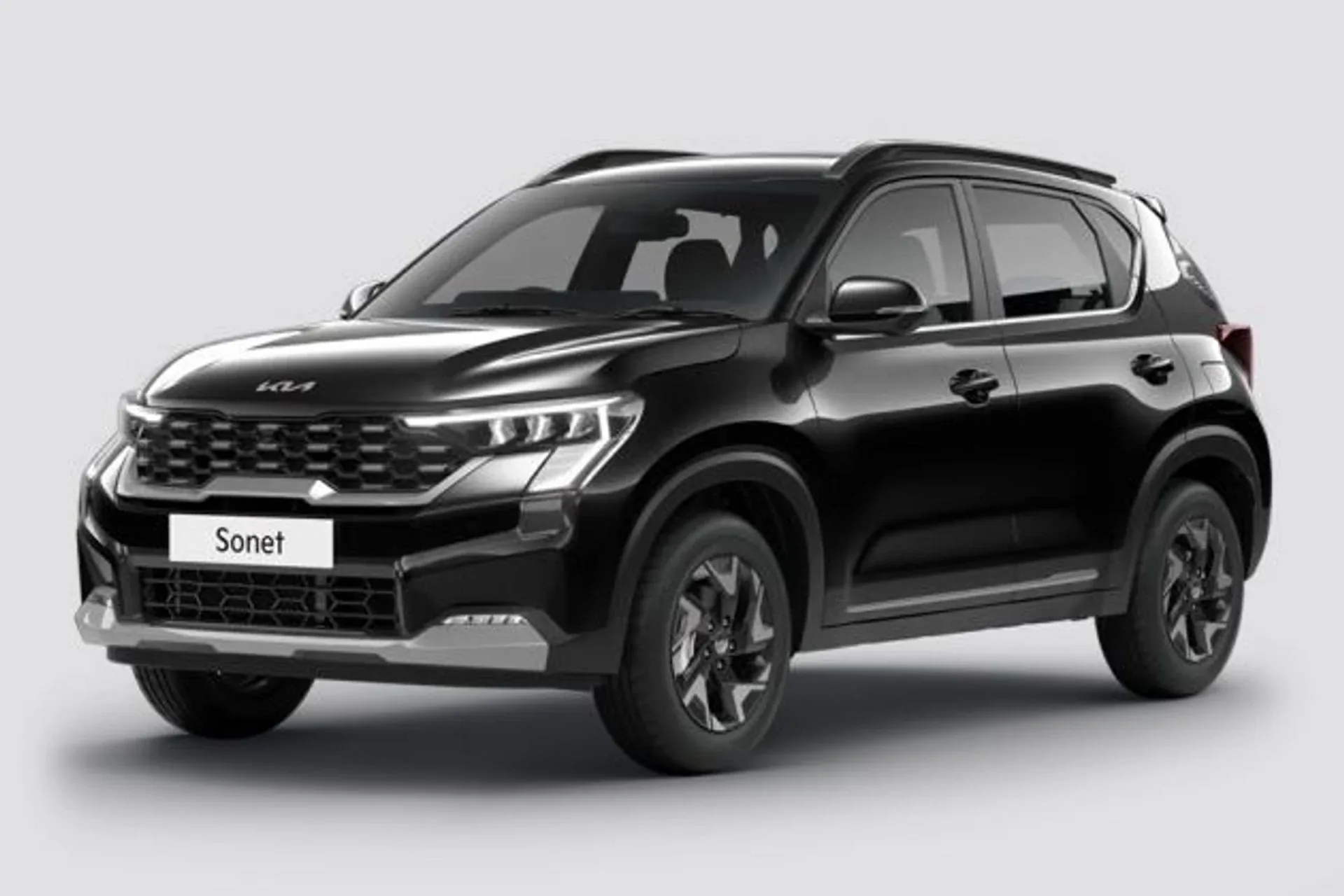
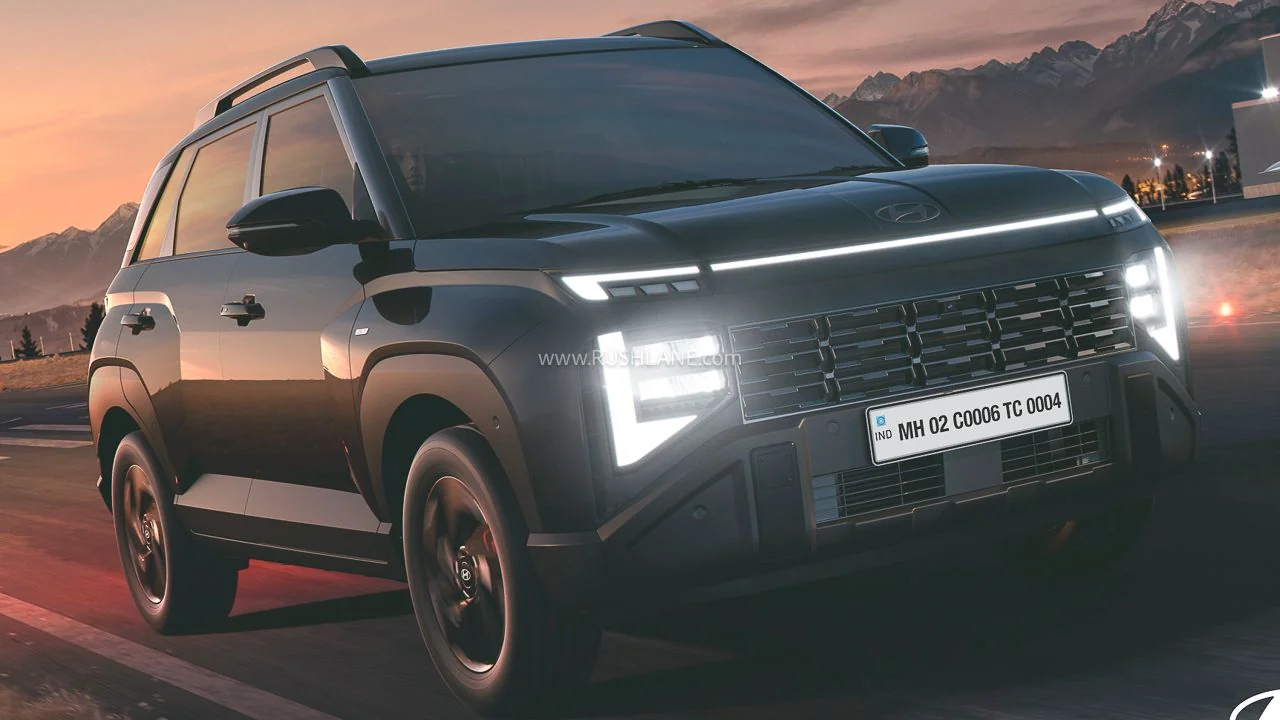
Hyundai Venue vs
Kia Sonet
Venue brings more engine options; Sonet brings a more polished, driver-focused package.
Most buyers decide here. Read this before anything else.
- You commute long distances and want a diesel automatic, because the Venue is one of the very few sub-4m SUVs that offers this combination.
- You are buying your family's primary car and the Hyundai service network in your city matters more than a slightly sportier drive.
- You want the largest, most immersive in-car screen in the segment and spend a lot of time connected to Android Auto or Apple CarPlay.
- You are upgrading from a hatchback and want ADAS features like Lane Keep Assist and Adaptive Cruise Control as part of everyday driving.
- You have a conservative resale horizon of three to four years and trust Hyundai's strong residual values in the used-car market.
- You frequently carry bulky luggage and the Venue's slightly larger boot and taller roofline make week-long family trips noticeably easier.
- You enjoy driving and want a sub-4m SUV that feels genuinely responsive, because the Sonet's 7-speed DCT turbo petrol is the sharpest gearbox in this segment.
- You prioritise a cockpit that feels premium every single day, with real knobs, a rotary gear selector and tight panel gaps that read quality on touch.
- You are a young professional who parks in tight city spots and values a car that looks muscular and distinctive at a standstill.
- You want Level 1 ADAS features at a slightly lower entry price than the Venue's ADAS-equipped top trims.
- You mostly drive solo or with one passenger and rear space is not a deal-breaker, making the Sonet's driver-centric interior feel like a deliberate design choice rather than a compromise.
- You plan to keep the car beyond five years and want ride quality that holds up on broken urban roads, where the Sonet's suspension tuning earns a marginally higher jury score.
The Venue scores 7.8/10, the Sonet 7.5/10. In real life, they are built for different people.
The Venue is the only car here offering a diesel torque-converter automatic, which makes effortless highway cruising accessible without a manual gearbox. The Sonet's diesel is manual-only at the top end, which some buyers find tiring over 400-plus kilometre runs. For families who do regular intercity driving and prefer an automatic, the Venue has no equivalent rival in this segment.
Biturbo Media and MotoWagon both note that the Sonet's 7-speed DCT responds faster and feels punchier than a comparable torque-converter setup, with paddle shifters that work with genuine urgency. The Venue's DCT turbo petrol is competent, but reviewers consistently describe the Sonet as the more rewarding car to push. If driving feel matters to you, the Sonet has a clear edge.
The Venue's dual 12.3-inch curved panoramic display, Nvidia-accelerated graphics and wireless connectivity set a new benchmark for the segment. The Sonet's twin 10.25-inch setup is well-integrated and genuinely premium, but the raw screen real estate and processing speed gap is noticeable side by side. Buyers who spend significant time using in-car infotainment will find the Venue more impressive.
MotorOctane's multi-car comparison highlights that the Sonet scores slightly better on ride quality in real-world urban conditions, absorbing broken surfaces with less cabin intrusion. The Venue's K1 platform is an improvement over its predecessor, but the Sonet's suspension tuning feels more settled at low speeds. For buyers in cities with poor road surfaces, this margin is meaningful over daily commutes.
Scores shown inline. "Best for" tells you who each result matters to.
| Axis | Hyundai Venue | Kia Sonet | Best for |
|---|---|---|---|
Design |
The new Venue finally reads as a proper SUV rather than a tall hatchback, with squared wheel arches, a shorter front overhang and quad-beam LED headlamps. MotorOctane notes the Venue's headlight intensity is improved over the previous generation. The overall stance is confident and contemporary without being polarising. 7.8 / 10 |
The Sonet facelift adopts Kia's newer family face with vertical LED indicators and a slimmer signature grille that gives it an almost monolithic, retro-modern look when lit. Biturbo Media notes the design grows on you in person far more than in launch photos, with bold shoulder lines that read muscular on the road. MotorOctane's headlight test found the Sonet's throw and spread below segment average. 7.8 / 10 |
Style-first city buyersSonet's bolder face makes a stronger visual statement at a standstill
|
Interior |
The Venue's dual 12.3-inch curved panoramic display, Nvidia-accelerated graphics and wireless connectivity are class-leading in screen size and responsiveness. Hyundai has retained physical climate controls, and the D-cut leather steering feels premium. The cabin is wide and airy thanks to the K1 platform's extra dimensions. 8.0 / 10 |
The Sonet's cabin feels tighter in composition, with real knobs for climate, a rotary gear selector and physical shortcut keys flanking the 10.25-inch screen. Namaste Car and MotorBeam both call it one of the best-integrated cockpits in the sub-4m segment. Material quality on touch surfaces is notably consistent across the dashboard. 7.7 / 10 |
Tech-first commutersVenue's panoramic display and wireless connectivity set the segment benchmark
|
Performance |
Three engine options, including a segment-rare diesel automatic, give the Venue genuine breadth. The 1.0 turbo petrol delivers 120 PS and pairs with a six-speed manual or seven-speed DCT. The diesel automatic combination is unavailable in any direct rival. 8.0 / 10 |
The Sonet's 1.0 T-GDi with the 7-speed DCT is the driver's pick of the segment, with paddle-shift response that MotoWagon describes as genuinely quick. Sport mode sharpens throttle response noticeably. The diesel at 114 bhp and 250 Nm is strong but remains manual-only. 8.0 / 10 |
Driving enthusiastsSonet's DCT is sharper and more rewarding to exploit in daily driving
|
Ride Quality |
The K1 platform brings meaningful improvements in ride comfort over the first-generation Venue. The car feels more planted at highway speeds and less floaty over long stretches. Urban pothole absorption is competent, though not class-leading. 7.5 / 10 |
The Sonet's suspension tuning earns it a higher jury score in this dimension. MotorOctane's multi-car test found it settled well on broken urban surfaces with less cabin intrusion than several rivals. The improvement in the facelift is noticeable for anyone who drove the pre-facelift car. 7.8 / 10 |
Daily city commutersSonet's suspension absorbs urban roads with slightly more composure
|
Build Quality |
The Venue's K1 platform adds structural rigidity and the wider, taller body feels more substantial than its predecessor. Panel gaps are consistent on test cars reviewed by Arun Panwar and Utkarsh Negi. The overall assembly quality is in line with Hyundai's segment reputation. 7.5 / 10 |
The Sonet scores the segment's highest build quality mark in the jury scorecard. MotorBeam notes tight panel gaps and a firm, quality feel to all touch points. The doors close with a solid thud that reinforces the sense of structural integrity. 8.0 / 10 |
Quality-conscious buyersSonet's panel consistency and structural feel edge ahead on jury scores
|
Value for Money |
Arun Panwar notes that top-end Venue pricing tests buyer patience, with the fully-loaded HX10 diesel automatic pushing into Creta consideration territory. Mid-variant buyers get strong value, particularly the turbo petrol DCT trim. The diesel automatic justifies its premium for buyers who specifically need that combination. 7.0 / 10 |
The Sonet also creeps into Creta territory at the top, as Namaste Car cautions. Mid-spec variants offer strong feature density for money, and the turbo DCT petrol sits at a competitive price point. Variant selection is critical to getting value out of the Sonet range. 7.2 / 10 |
Budget-conscious mid-spec buyersSonet's mid-variants offer a marginally better feature-to-price ratio
|
Practicality |
MotorOctane's boot test puts the Venue at 375 litres, comfortably fitting large, medium and small luggage with a small backpack. The taller, wider K1 body translates to genuinely improved headroom and shoulder room. Ground clearance sits at 190 mm, which handles most Indian road conditions without drama. |
The Sonet also offers 190 mm ground clearance and a boot that handles the same luggage combination in MotorOctane's test. Rear seat space remains average for the segment, which MotoWagon flags as a consistent shortcoming. It works well for two adults but feels squeezed on long trips with three in the back. |
Small families and couplesVenue's wider body gives a practical rear seat advantage for regular family use
|
The Venue scores 7.8/10 and the Sonet 7.5/10, from 6 independent creators. The overall number is only part of the story here: the dimension breakdown is where the real comparison lives.
MotorOctane: Hyundai Venue vs Tata Nexon vs XUV 3XO vs Sonet vs Maruti Brezza vs Kylaq vs Aircross X