BMW to cut 8,000 German jobs by 2027: the EV transition bill comes due
BMW plans to cut around 8,000 jobs from its German workforce by the end of 2027, a company source told AFP. Voluntary redundancy offers go out from October to about 40,000 desk-based staff, roughly half its 85,000 permanent German employees. Production line workers are excluded from the round.
What was announced
BMW will offer voluntary redundancy to nearly half its German workforce, targeting a reduction of about 8,000 jobs by the end of 2027, a company source told AFP on Wednesday. The offers, going out from October, will reach roughly 40,000 of BMW's 85,000 permanent German employees. Production line workers are specifically excluded; the cuts fall on desk-based roles.
BMW is not in crisis, it is in pre-emption, and the German premium three are structurally resizing for a lower-margin decade.
"The workforce will ultimately be reduced by around 8,000 people by the end of 2027," the source said. "We're planning on the basis of that." BMW employs about 154,000 people worldwide. The plan took roughly six weeks to negotiate between the board and BMW's works council, indicating an agreed programme rather than a forced restructuring.
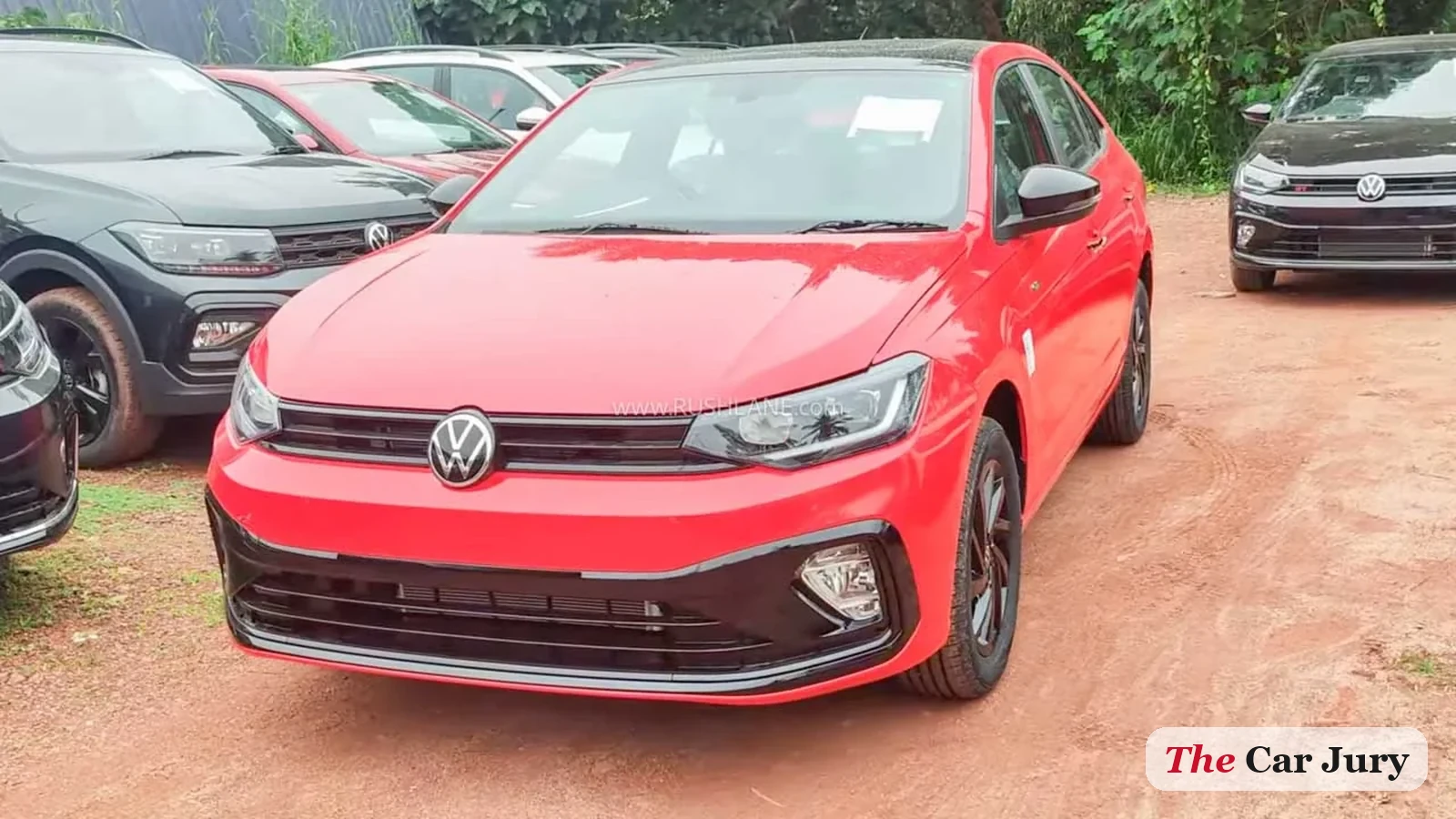
The context is industry-wide margin pressure. German premium carmakers are absorbing the cost of the EV transition, US tariffs on European-built vehicles, and intensifying Chinese competition, both from local brands at home in China and from Chinese EVs entering Europe. Volkswagen is separately weighing up to 100,000 job cuts across its operations, and Mercedes has been running its own headcount reduction programme. BMW's approach, voluntary offers rather than compulsory redundancies, and the ring-fencing of factory workers, is the least confrontational route available under German co-determination rules, but the direction of travel is unmistakable: the German premium three are structurally resizing for a lower-volume, lower-margin decade.
The Car Jury verdict
This is the German premium industry admitting the old cost base does not survive the EV transition. BMW is not in crisis, it is in pre-emption; Volkswagen is already weighing up to 100,000 cuts, and Mercedes has been trimming for two years. Chinese competition and US tariffs have compressed margins on exactly the electric cars these brands need to sell more of.
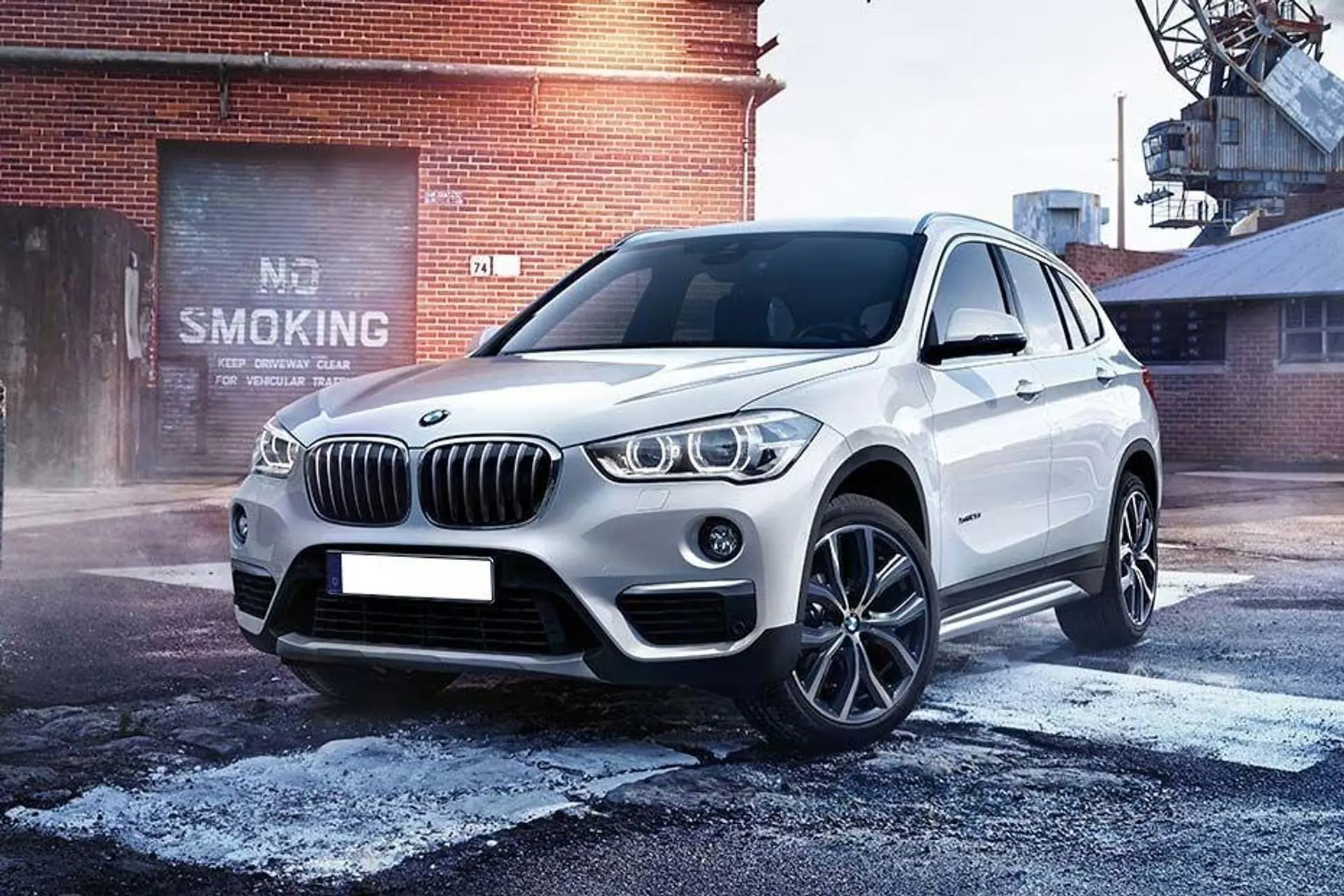
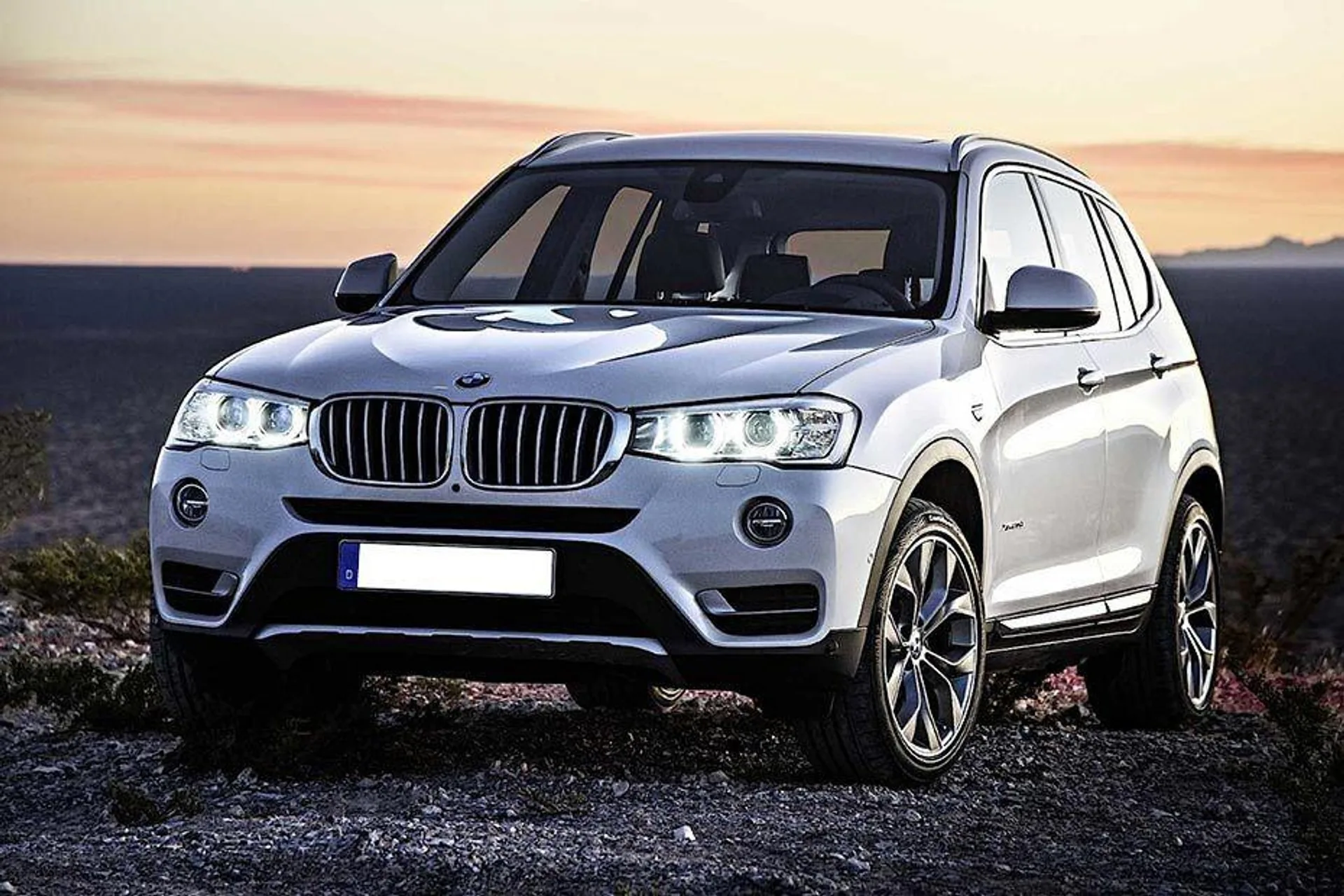
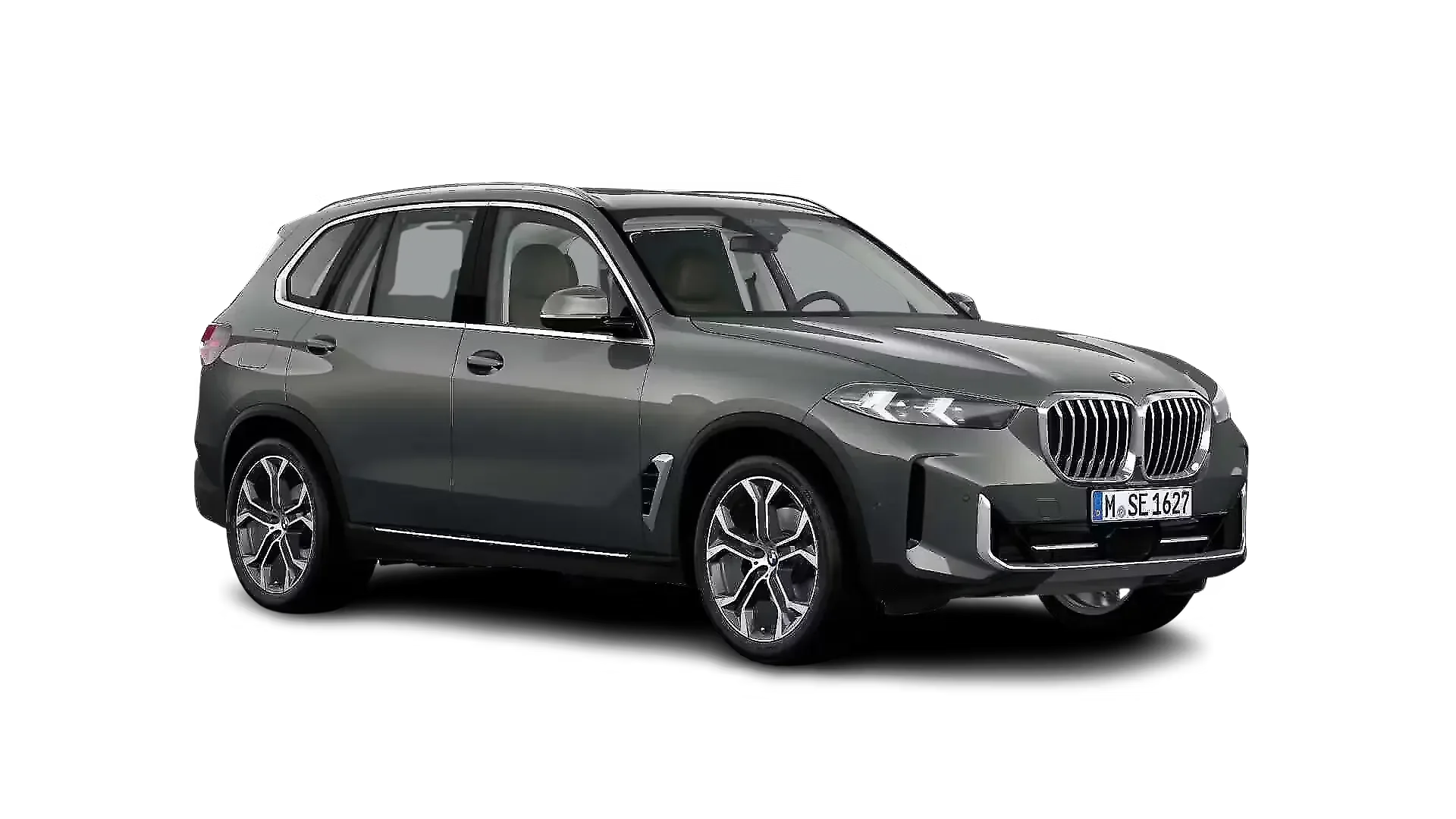
For Indian buyers this changes very little in the short term. The X1, X3 and X5 remain the segment picks they were last month, and Rachit Hirani of MotorOctane is right that the long-wheelbase iX3 is the car that will decide BMW India's next chapter. What it does signal: expect harder pricing discipline, fewer discounts, and more India-assembled variants as Munich protects margin.