MG Bets Rs 1,400 Cr on ADAPT Platform: Two New-Energy SUVs Land in FY27

JSW MG Motor has confirmed it will launch two new-energy SUVs in FY27, one battery-electric and one plug-in hybrid, both riding on a newly unveiled multi-energy architecture called ADAPT. The company is backing the product offensive with a Rs 1,400 crore investment aimed at localisation and platform adaptation for India.
What was announced
JSW MG Motor announced on 16 July 2026 that it will introduce two new-energy SUVs in FY27, one full battery-electric vehicle and one plug-in hybrid, both measuring over 4.3 metres in length. The two models form part of a wider four-launch plan for the financial year and will be underpinned by the company's newly unveiled ADAPT platform.
MG's ADAPT platform is sound engineering, but a PHEV launch demands a service network India's mass market simply does not have yet.
ADAPT, which stands for Advance Drive Architecture Platform Technology, is a multi-energy vehicle architecture derived from parent SAIC Motor's global platform and re-engineered for Indian market conditions. It is designed to support battery-electric, plug-in hybrid and other new-energy powertrains on a shared base, allowing MG to spread development cost across multiple bodystyles and drivetrains.
The company has committed a Rs 1,400 crore investment to back the platform, the upcoming products and the localisation roadmap. JSW MG has not disclosed battery capacities, range figures, ex-showroom pricing bands or the launch sequence between the EV and the PHEV. It has also not confirmed whether these SUVs will be built at the existing Halol plant or require additional capacity, though ADAPT's localisation mandate points to Halol-led assembly. The PHEV is particularly significant because MG will be one of the few mass-market brands attempting a plug-in hybrid SUV in India in this price bracket, a segment currently dominated by strong hybrids from Toyota and Maruti Suzuki.
The Car Jury verdict
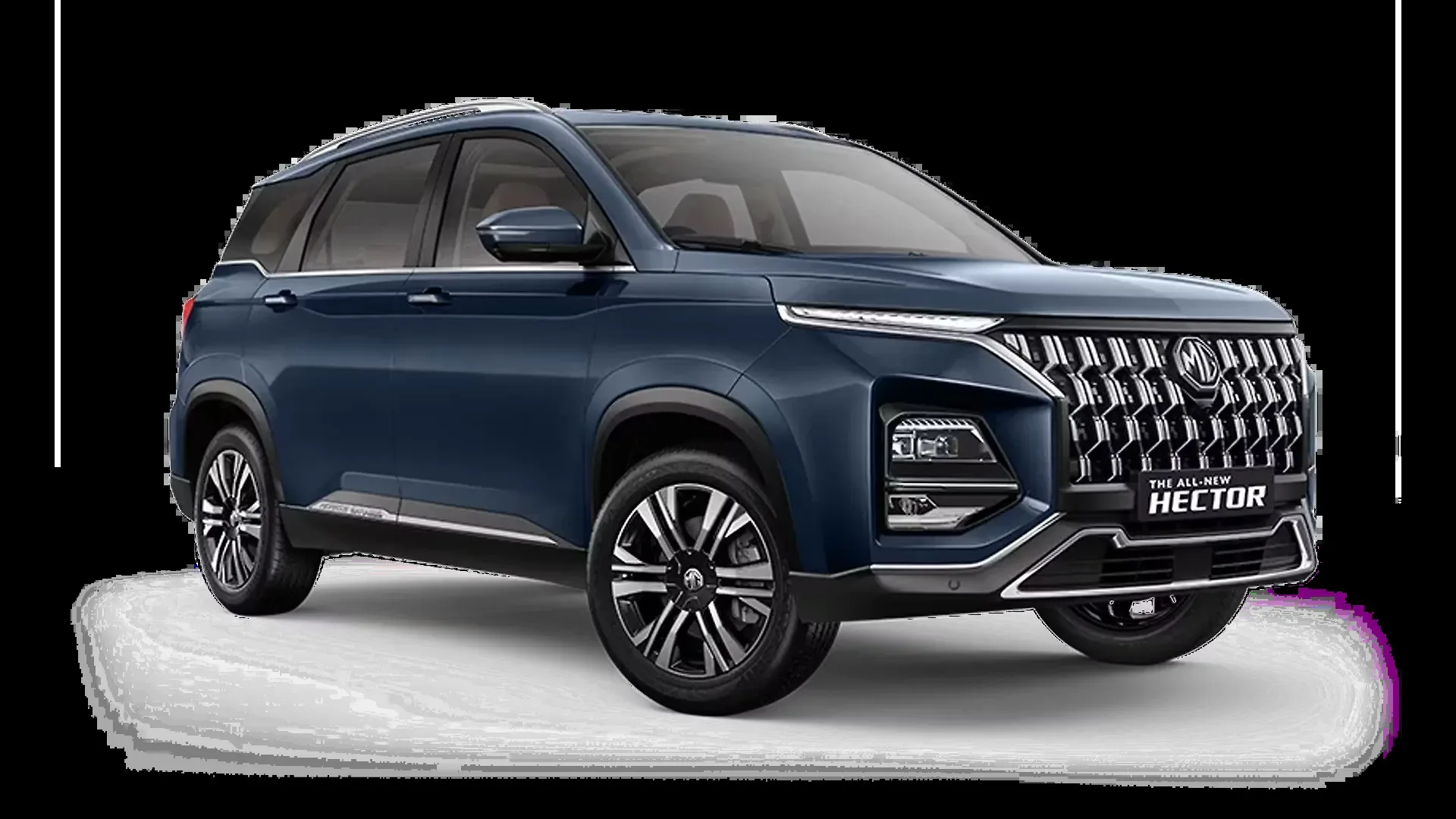
MG India's problem right now is not product ambition, it is trust. The Hector story has already cost the brand credibility on long-term ownership, and Arun Panwar captured the customer mood bluntly when he asked why MG can no longer deliver Fortuner-grade reliability. Adding a PHEV, a powertrain almost nobody in India services outside Toyota and Volvo, before that trust is rebuilt is a bold call.
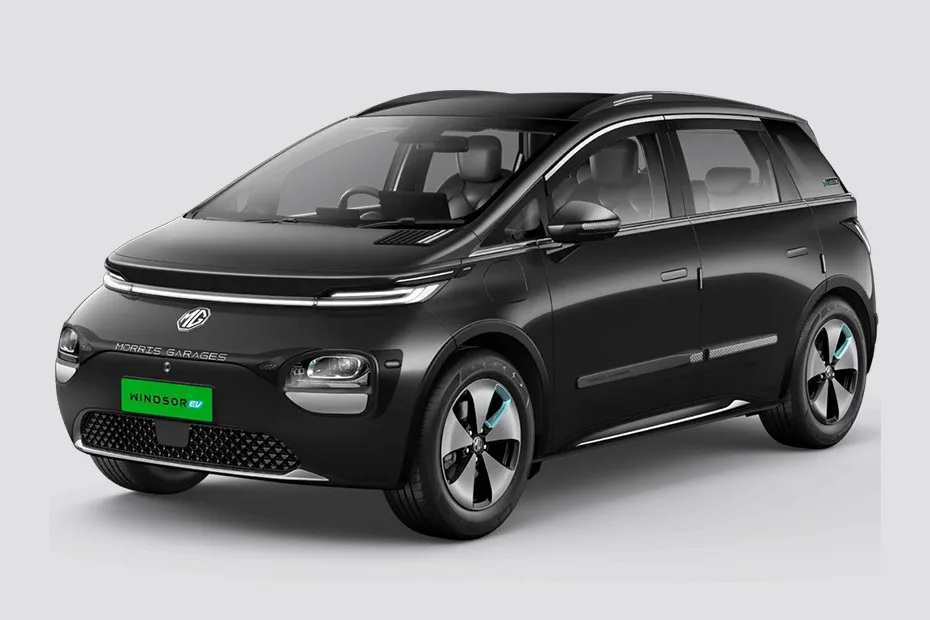
The ADAPT platform itself is sensible, SAIC-derived architectures have worked globally, and a sub-4.3m-plus EV that slots above the Windsor could genuinely move volume. But as Rachit Hirani of MotorOctane has flagged around the iX3 timing, MG's FY27 calendar is already crowded. Buyers eyeing these SUVs should wait for real service network data and residual value trends before committing, especially on the PHEV.