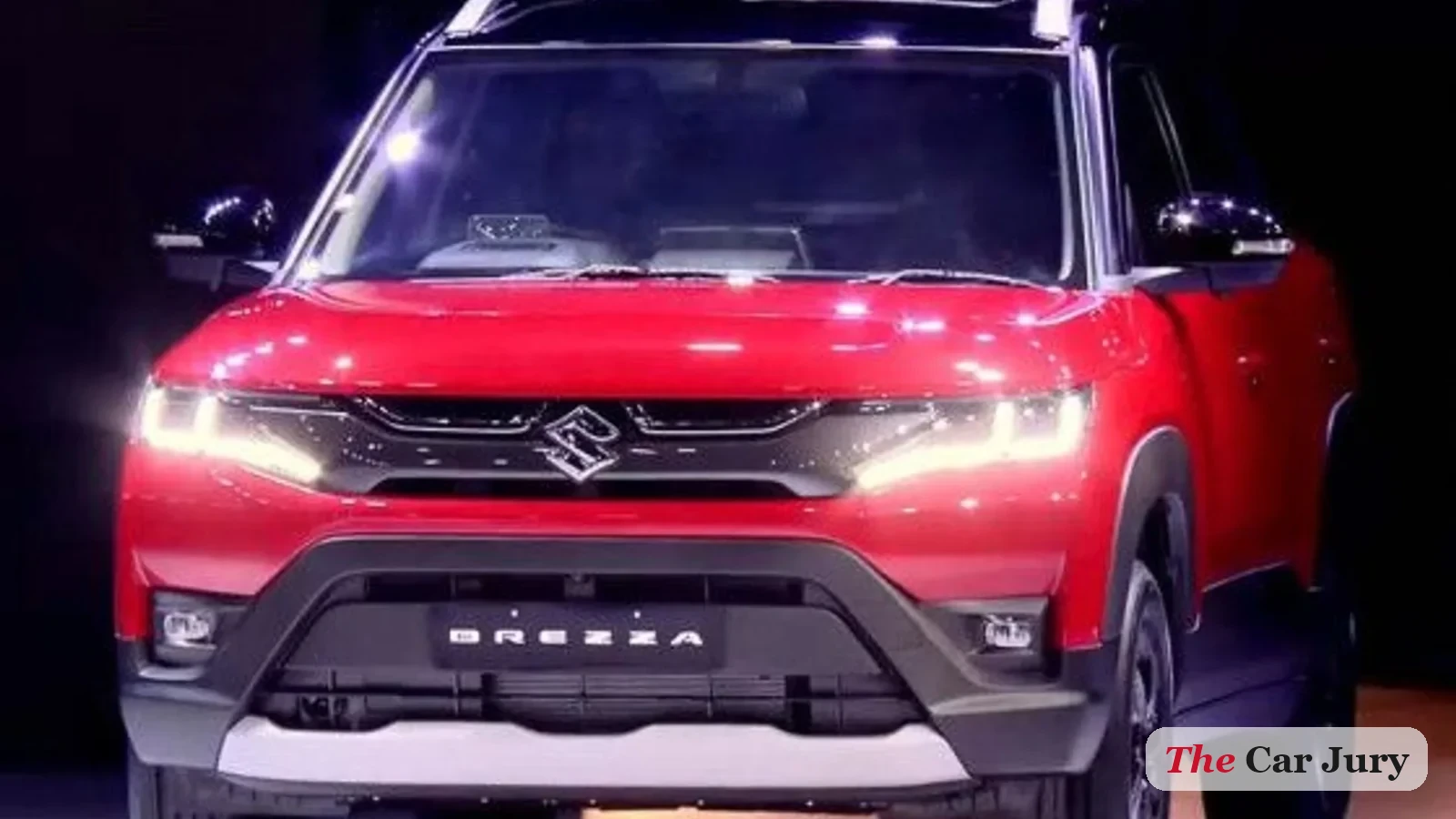
Maruti's Q1 Profit Slips 9% Despite 36% Revenue Jump: Costs Bite Hard
Maruti Suzuki has reported a 9.1 per cent year-on-year decline in consolidated net profit to Rs 3,447 crore for the quarter ended June 30, 2026, even as revenue from operations climbed 35.9 per cent to Rs 52,470 crore, with higher raw material costs eating into margins.
What was announced
Maruti Suzuki India on Friday reported consolidated net profit of Rs 3,447 crore for Q1 FY27, down 9.1 per cent from Rs 3,792 crore in the same quarter a year earlier. The result comes despite a strong topline: consolidated revenue from operations rose 35.9 per cent year-on-year to Rs 52,470 crore, up from Rs 38,605 crore. Total income climbed 34.2 per cent to Rs 54,344 crore against Rs 40,494 crore.
Maruti sold 29 per cent more cars and made 9 per cent less money. That is a margin problem the company cannot discount its way out of.
The profit slip is entirely a cost story. Total expenses jumped 40.5 per cent year-on-year to Rs 50,000 crore, compared with Rs 35,585 crore in Q1 FY26. Raw material costs did most of the damage, accounting for nearly 70 per cent of the increase in total expenses, or roughly Rs 10,076 crore in additional outgo year-on-year. Expense growth outpaced revenue growth by close to five percentage points, which is why the operating leverage from higher volumes never reached the bottom line.
Total sales volume grew 29.3 per cent year-on-year during the quarter, indicating that dispatches and retail momentum remain strong across the portfolio. The disclosure was filed with the exchanges after market hours on July 31, 2026. Maruti has not, in this filing, guided on commodity trends or pricing action for the remainder of FY27, though the scale of the raw material impact suggests margin recovery will depend on either input cost easing or a richer variant and SUV mix in the coming quarters.
The Car Jury verdict
The headline number looks alarming, but the story underneath is simpler: Maruti sold a lot more cars, and each one earned less. Volumes grew 29.3 per cent and revenue jumped 36 per cent, yet raw material costs alone added Rs 10,076 crore to the expense line. That is a margin problem, not a demand problem.
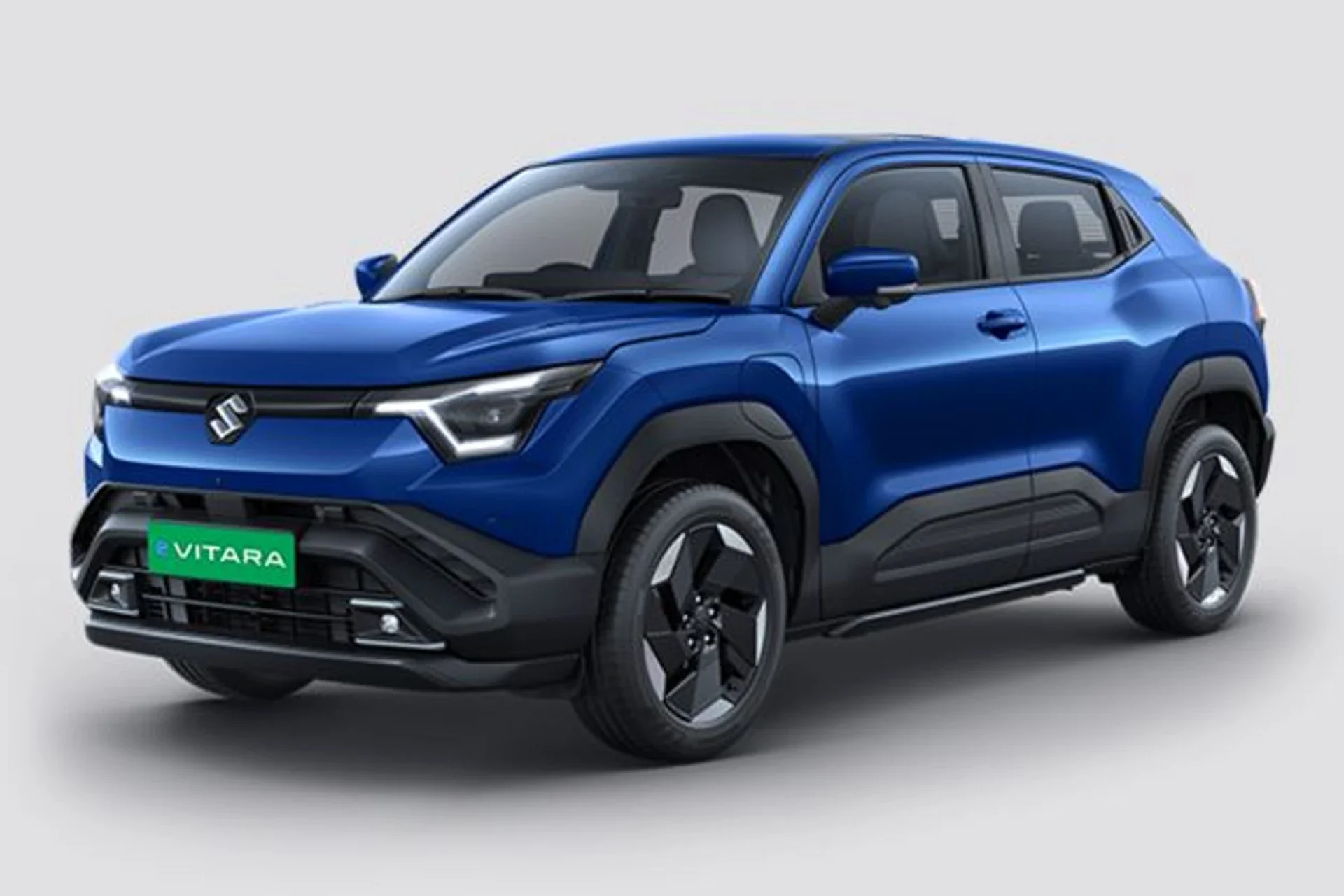
Motor Inc of Motor Inc notes Maruti is "always the one that will be talking about efficiency" and has "always been perceived as boring except for a few highlights." That efficiency-first identity is exactly what is being tested here. The company cannot keep taking commodity hits on entry hatches priced for a shrinking A-segment buyer, and its bigger bets, the e-Vitara and refreshed Brezza, need to deliver richer mix. Buyers should read this as pressure to hold prices, not cut them.