India Frees Up Radar Spectrum: ADAS Just Got Cheaper for Every Carmaker
India has scrapped spectrum licensing for automotive radar in the 77-81GHz band and for vehicle-to-everything communication in the 5.9GHz band. The exemption, notified this week, lines India up with the United States and Europe, and lets carmakers fit globally engineered radar and V2X hardware without building India-specific versions.
What was announced
The Department of Telecommunications has issued two notifications exempting specific frequency bands from spectrum licensing for automotive use. The 77GHz-81GHz band, used by short and long-range automotive radar sensors, no longer requires individual or supplier-level licensing. A separate notification covers the 5.9GHz band, which is the global standard for V2X, the technology that lets cars talk to other cars and to roadside infrastructure such as traffic signals and emergency vehicles.
Radar deregulation will do more for road safety in India than a decade of seatbelt PSAs ever did.
According to the Reuters report that broke the development, the move aligns India with the regulatory frameworks already in force in the United States and the European Union. Practically, this means automakers and Tier-1 suppliers like Bosch, Continental, ZF and Aptiv can deploy the same radar modules they ship in Stuttgart or Detroit without re-engineering them for Indian type approval. That removes a significant cost and time penalty that has, until now, kept ADAS features confined to premium and luxury segments.
Radar sensors underpin the headline ADAS features Indian buyers are starting to ask for: autonomous emergency braking, adaptive cruise control, blind-spot monitoring, rear cross-traffic alert and lane-change assist. The 5.9GHz V2X exemption is forward-looking; it is the protocol layer on which intersection warnings, platooning and eventually higher levels of autonomous driving will run. No timeline has been announced for V2X infrastructure rollout on Indian highways, and the notifications themselves do not mandate any safety feature; they simply remove a regulatory cost barrier from the hardware side.
The Car Jury verdict
This is the single most consequential regulatory move for car safety in India this decade, and almost nobody is talking about it yet. Radar is the backbone of autonomous emergency braking, adaptive cruise, blind-spot monitoring and lane-change assist. Until now, every supplier had to navigate a licensing maze that pushed ADAS into the Rs 50 lakh-plus bracket. That ceiling just cracked.
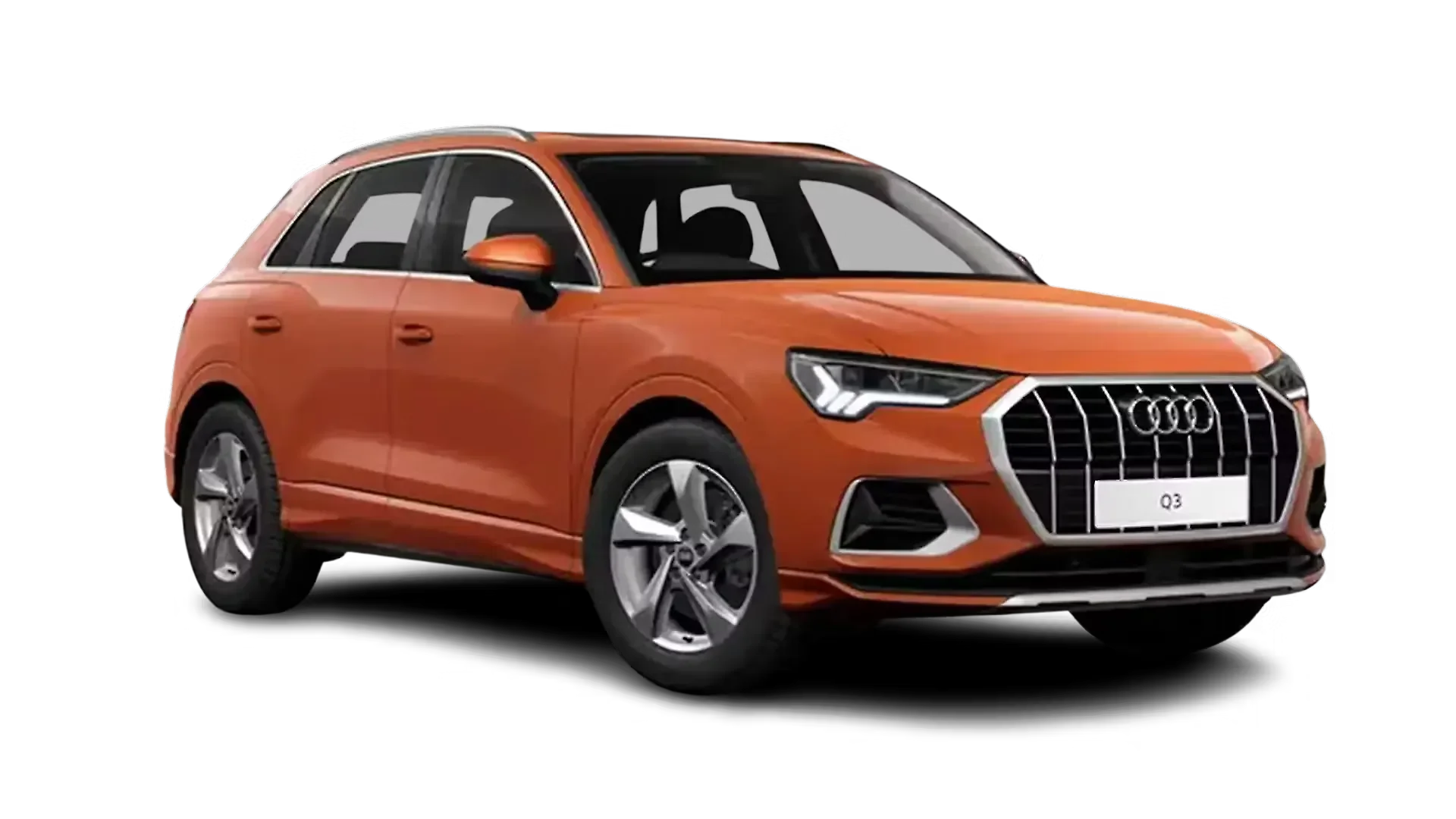
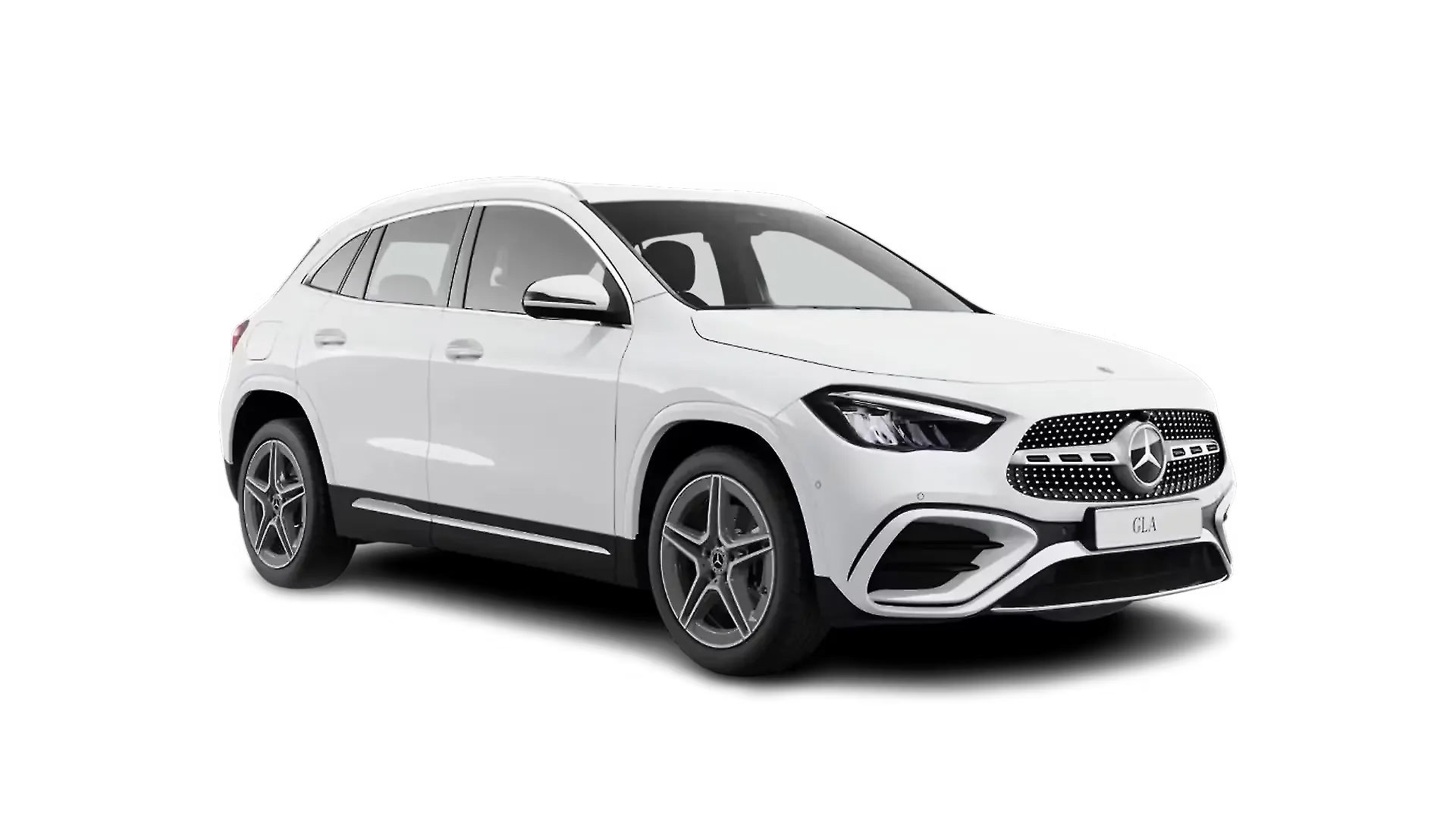
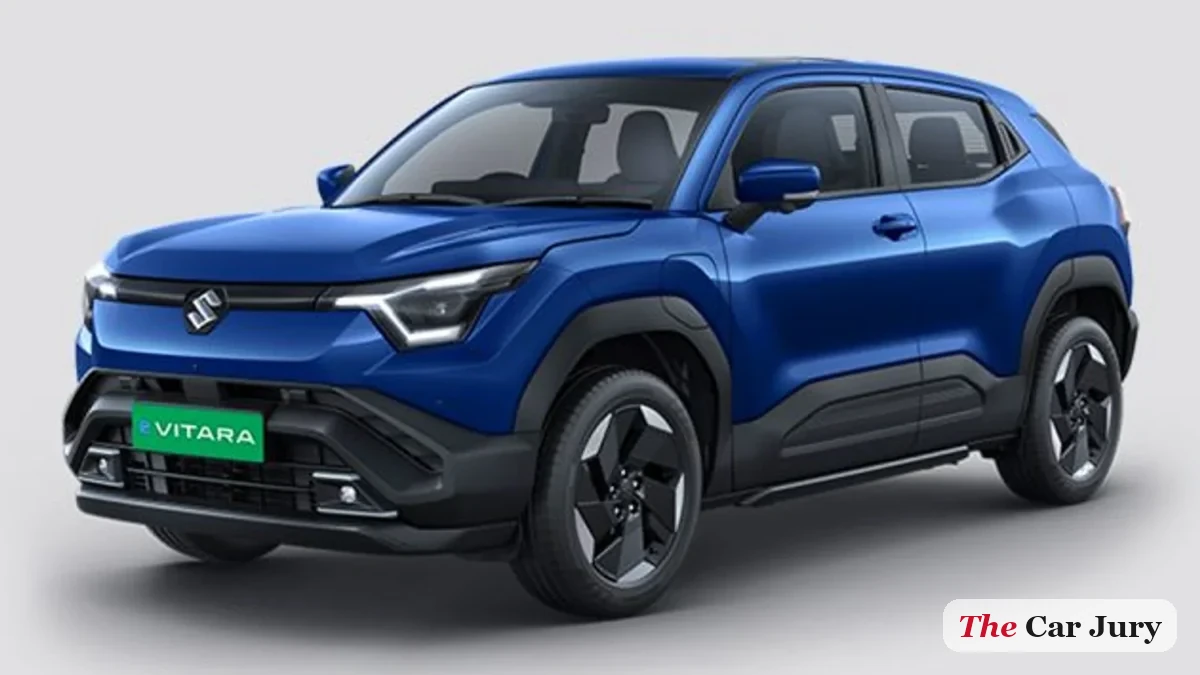
The immediate winners are the German trio. As Biturbo Media notes, "the German trio of Mercedes, BMW, and Audi have been ruling the roost" in luxury, and cars like the Mercedes GLC, GLA and BMW X1 can now ship with their full global ADAS stacks intact. The bigger story is mass market: Maruti, Tata and Hyundai can finally cost-engineer radar into Rs 12-15 lakh cars without bespoke homologation. Expect AEB on a Brezza-class SUV within 18 months.