India Legalises E100 Ethanol Cars: Symbolic Win, Buyer Cost Still Unclear
Union Minister Nitin Gadkari has signed regulations formally legalising 100% ethanol (E100) as automotive fuel in India. Speaking in Nagpur on Friday evening, Gadkari said the file is cleared, opening the door for automakers to sell flex-fuel vehicles engineered to run on pure ethanol alongside the existing E20 petrol rollout.
What was announced
Gadkari announced on 14 June 2026 in Nagpur that he had signed the file on Friday evening, formally approving regulations that permit the sale and use of vehicles running on 100% ethanol (E100) in India. The notification builds on the existing E20 (20% ethanol-blended petrol) rollout, which has already achieved near-nationwide pump availability over the past 18 months.
E100 is a 2027 conversation: until pump availability and per-litre pricing are notified, the policy is a headline, not a buying decision.
The new rules legally authorise OEMs to homologate, manufacture and sell vehicles engineered specifically for E100 fuel, in addition to flex-fuel vehicles (FFVs) that can switch between petrol, E20 and E100 depending on what is available at the pump. Until now, Indian regulations only formally recognised blends up to E85 for limited pilots.
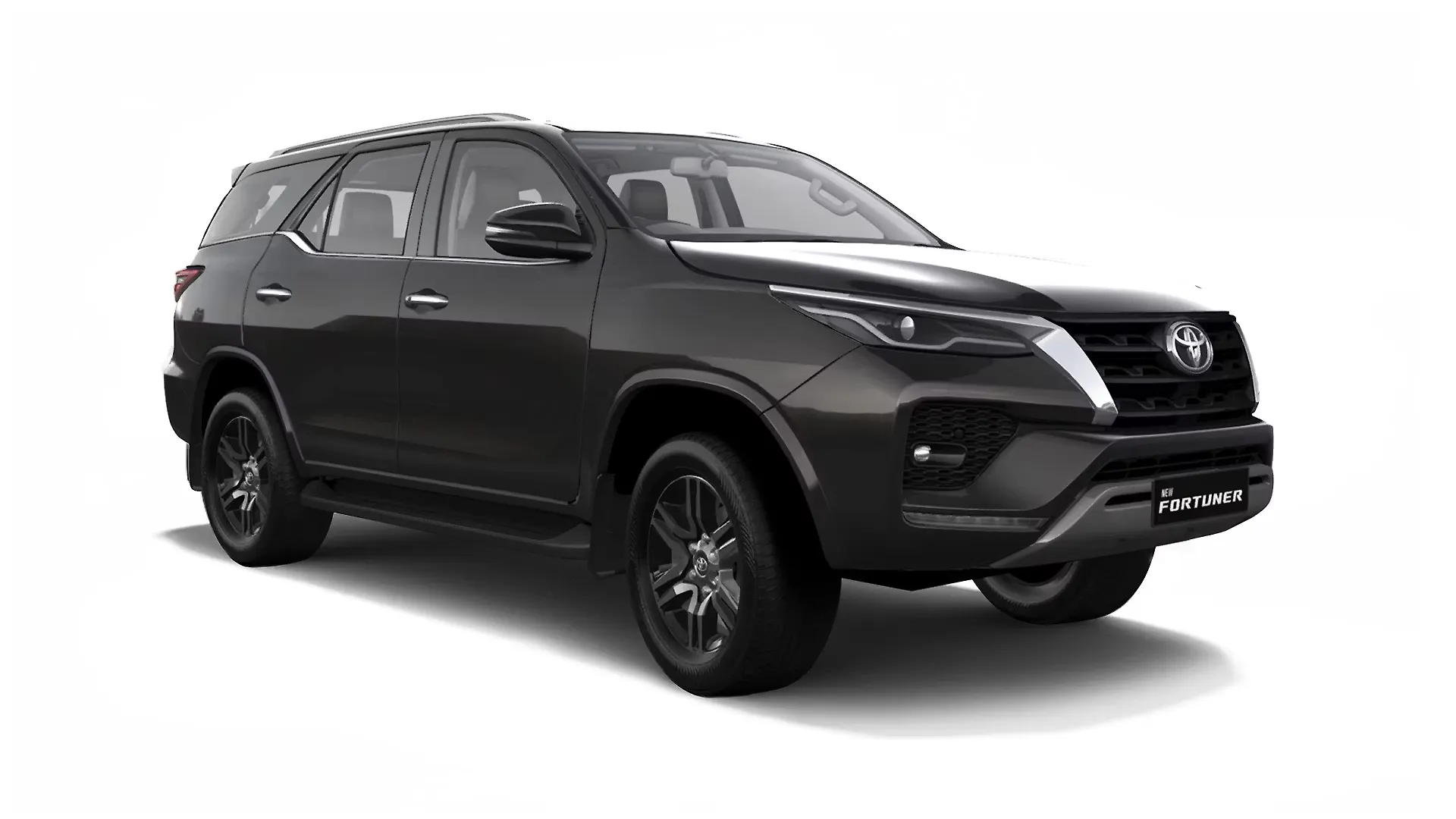
According to the Ministry of Road Transport and Highways, automakers including Toyota, Suzuki, Hyundai and MG are expected to launch E100-compatible vehicles in the coming months. Toyota has previously demonstrated an E100-capable Innova HyCross prototype in India, and Mahindra has confirmed flex-fuel development on its mStallion petrol family. The government's stated objectives are reducing the crude oil import bill, currently the country's single largest forex outflow, and supporting sugarcane and grain-based ethanol producers. No timeline has been announced for E100 pump availability at retail outlets, and no excise duty structure for E100 has been notified yet, leaving the per-litre price to the buyer unclear.
The Car Jury verdict
The policy is sound, but buyers should not rush to a showroom expecting E100 cars next quarter. India still lacks pump-level E100 distribution outside Maharashtra and parts of UP, and pure ethanol delivers roughly 30% lower fuel economy than petrol, which means the rupees-per-kilometre maths only works if E100 lands meaningfully cheaper than E20 at the pump. That pricing is not yet notified.
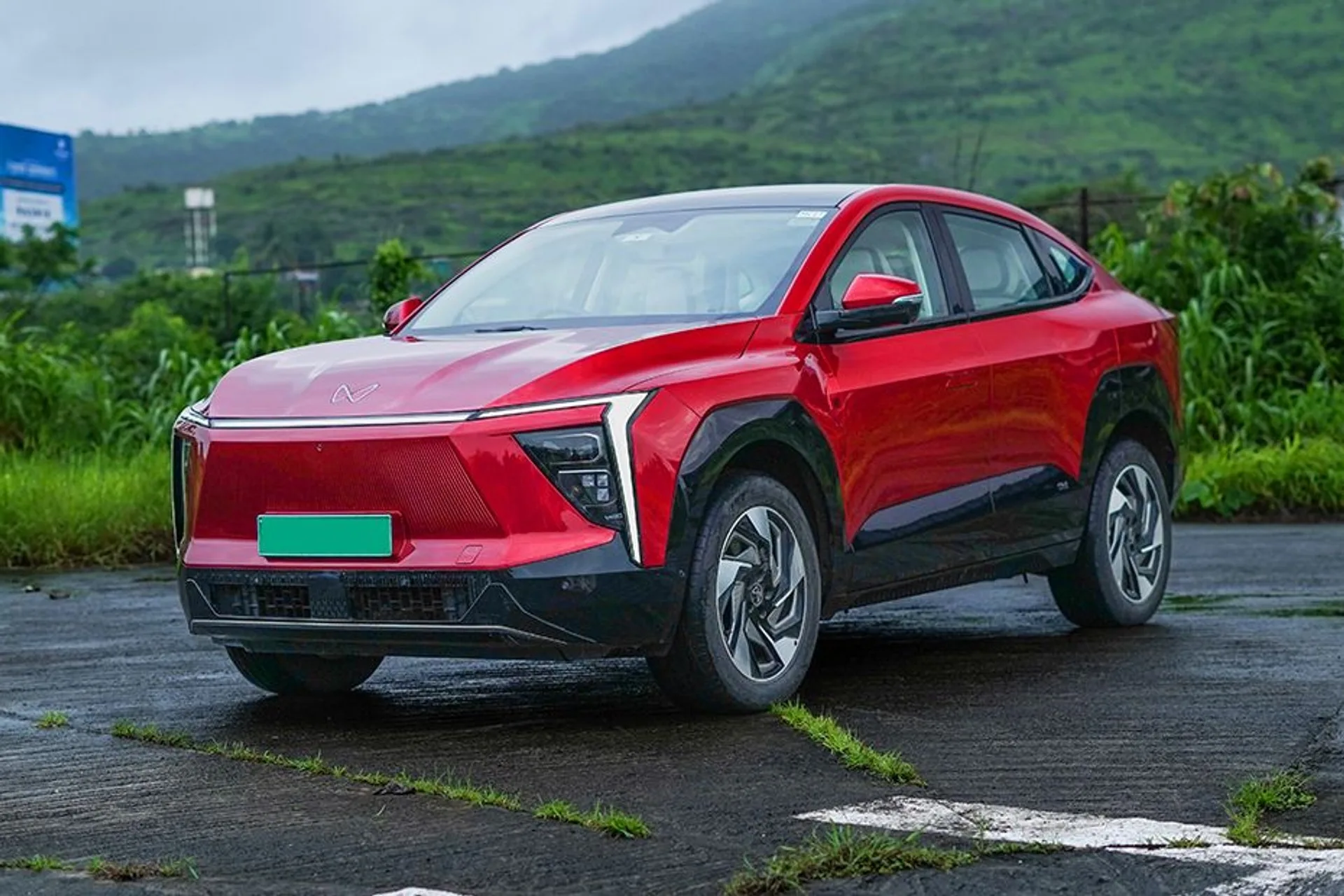
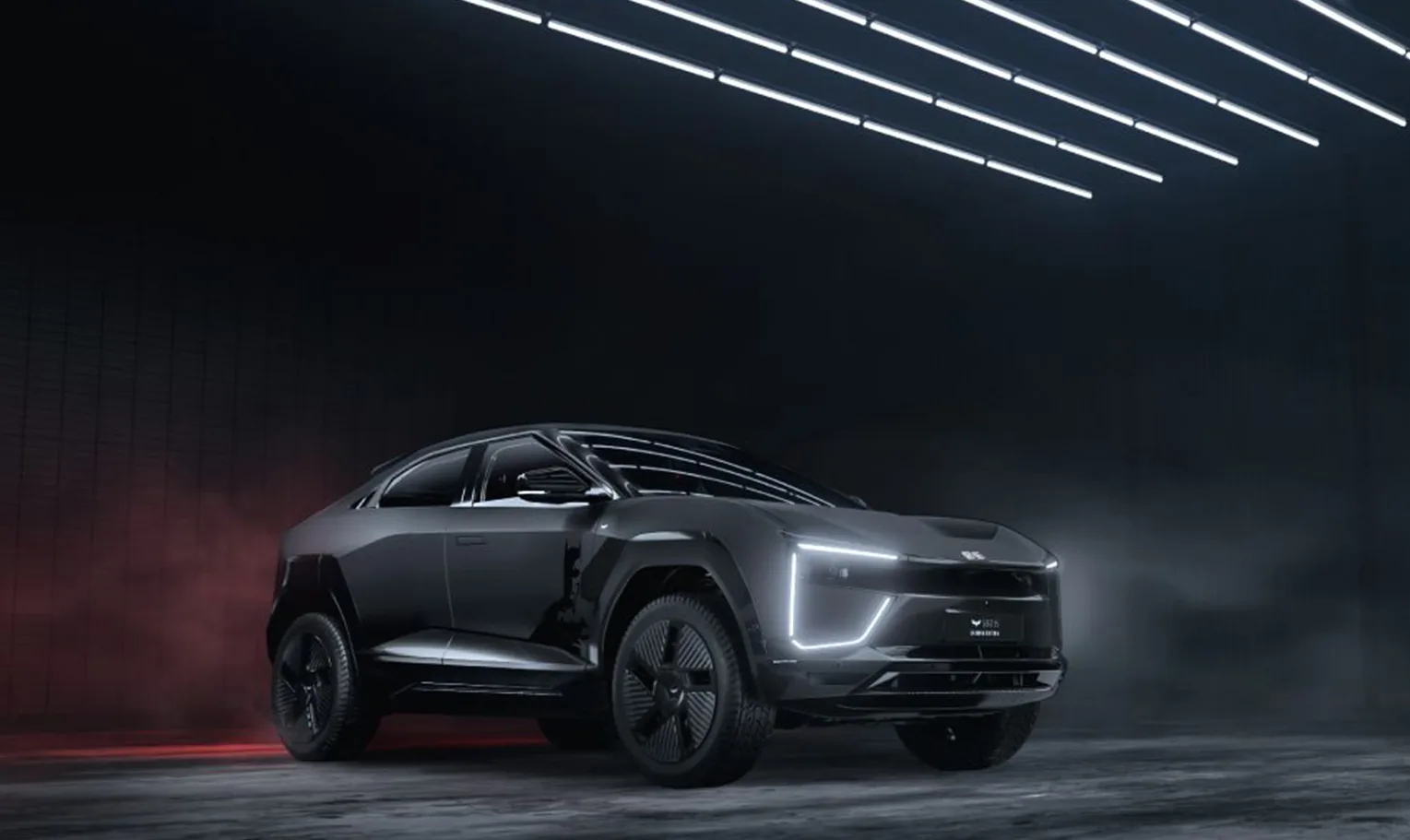
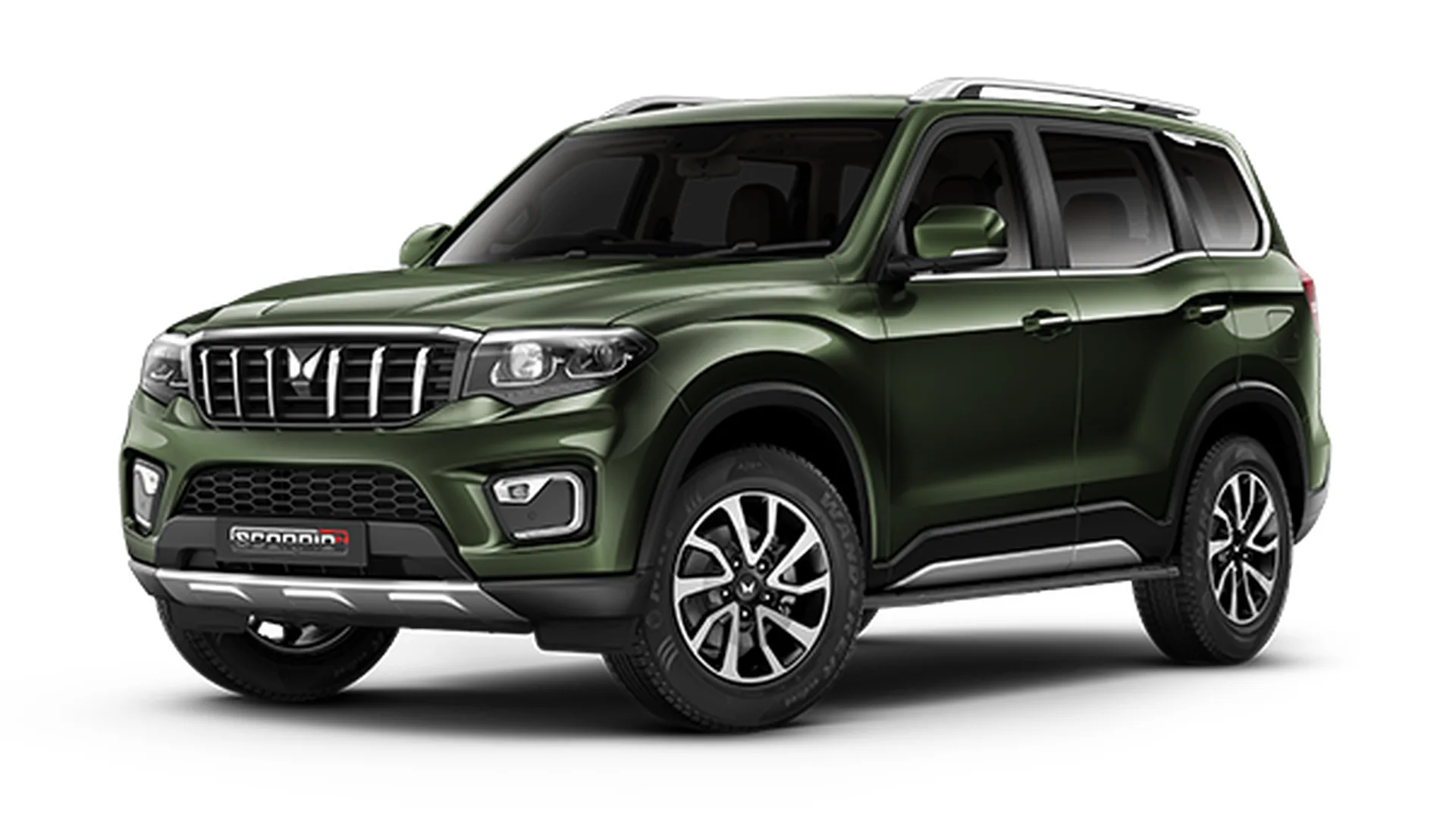
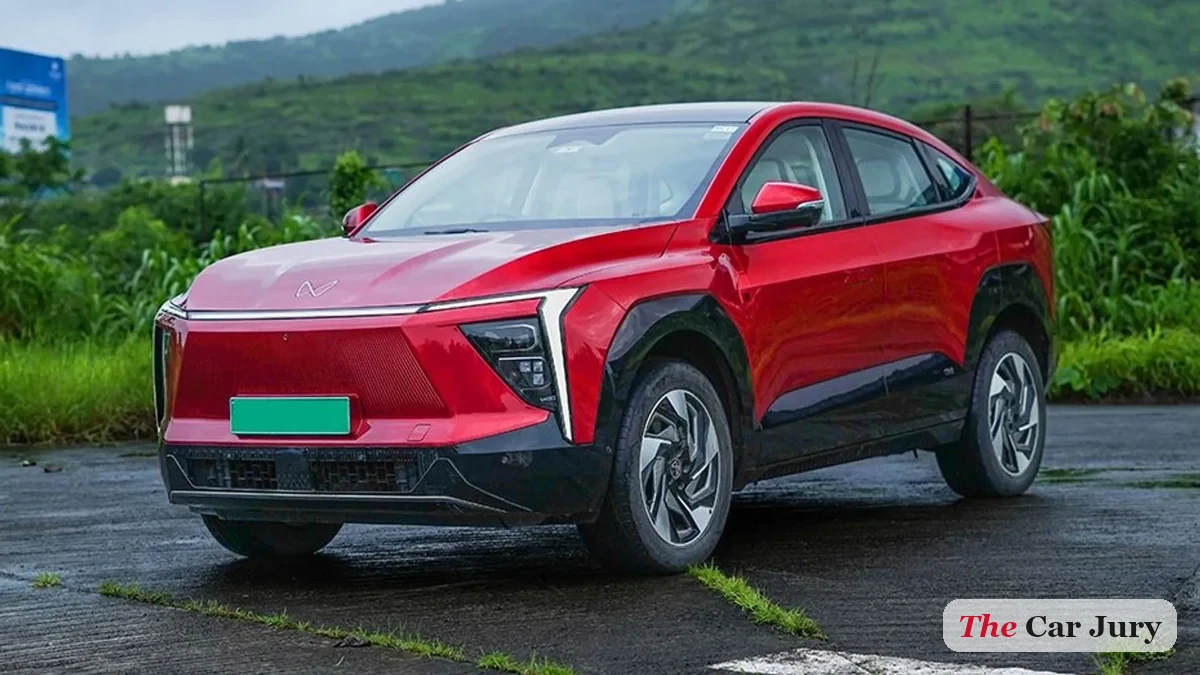
Toyota and Mahindra are best placed to move first: Toyota has been running an E100 Innova HyCross prototype for two years, and Biturbo Media still rates Toyota and Mahindra as the top two D-segment picks. For now, our buying advice does not change. If you want a Mahindra today, the Scorpio N and BE6 remain BUYs on petrol and electric respectively. E100 is a 2027 conversation.